Many multifamily interior renovation plans focus on visible upgrades, but premium finishes alone don’t guarantee stronger rent growth. The success of value-add multifamily renovations usually depends on whether the chosen materials and finishes align with local market conditions, resident expectations and long-term property goals. For builders and developers, renovation specifications can impact a property’s performance, maintenance needs and competitiveness.
How interior renovations influence rent growth
Interior improvements can change how the market views an existing property. However, bridging the gap between renovations and rent growth requires more than simply spending additional money on upgrades. While a renovated unit can attract more interest, the improvements should align with what renters in that market are willing to pay for.
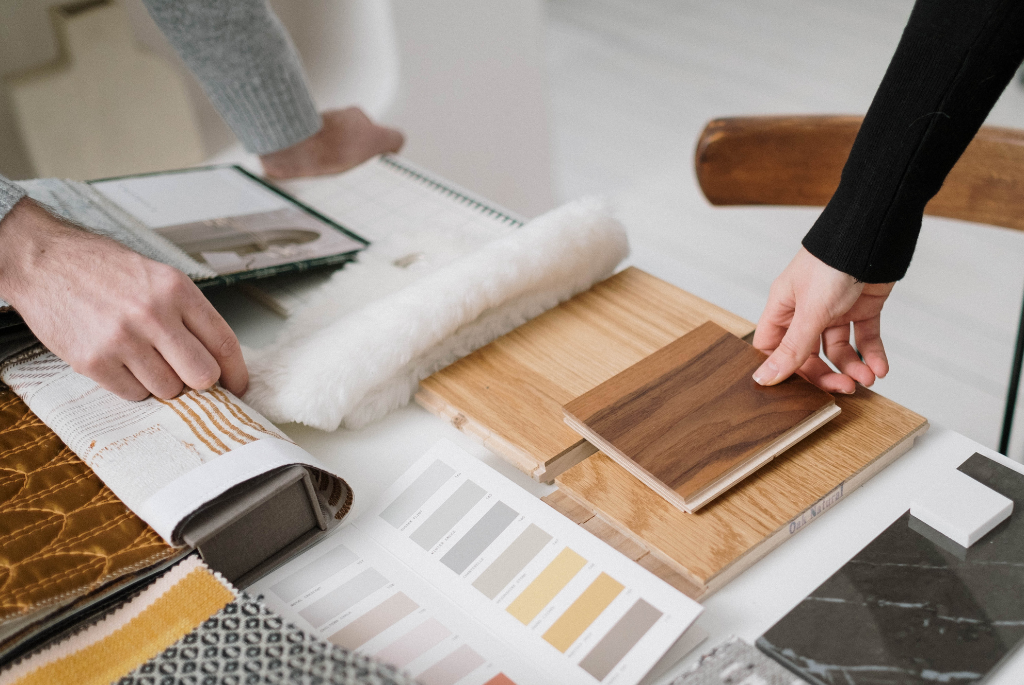
Therefore, multifamily renovation specifications should be developed with both appearance and performance in mind. Factors like countertops, cabinets, lighting, hardware and plumbing fixtures play a part in how a resident views the unit. These factors also affect future maintenance and replacement costs.
Research from the National Apartment Association shows that value-add improvements can help multifamily properties stay competitive, but not every upgrade creates the same value. Property upgrades like plumbing and HVAC can influence resident interest and long-term performance. This is why developers should carefully consider renovation specifications rather than assume more expensive upgrades will automatically deliver better results.
Specifications should reflect market expectations
During renovation planning, many professionals seem to believe that expensive materials automatically increase value. However, multifamily projects are more successful when specifications match the property’s target residents and competitive position.
For instance, a luxury finish package makes sense in a community aimed toward high-income renters. Meanwhile, a more budget-friendly community may prefer durable, low-maintenance products that enhance resident experience without increasing costs.
Should developers avoid using quality materials? Of course not. Instead, they should select materials wisely. A well-planned finish package can create a consistent appearance while still supporting ownership and operations.
Balancing renovation costs with rental income
With every decision, there should be a balance between renovation costs and rental income. While upgraded materials can improve a unit’s look, it’s critical to weigh the costs against realistic rental expectations and investment returns.
For example, a product with a lower up-front cost isn’t valuable if it needs frequent repairs or replacement. A market that doesn’t support additional rental income may not benefit from expensive materials or upgrades. Therefore, it’s essential to consider lifecycle costs during renovation planning.
It’s also necessary to think about how these specifications perform after installation. Using common materials, reliable fixtures and durable flooring can help reduce maintenance issues and improve performance.
Durability can impact a property’s long-term performance
Interior renovation specifications affect how well a community operates after residents move in, rather than just making a good first impression. Therefore, flooring choices should account for aesthetics, durability and potential wear. Cabinetry must also withstand daily use without sacrificing appearance. Additionally, lighting and plumbing fixtures should meet modern expectations while remaining reliable.
These decisions are especially crucial during unit turns, which is when the staff prepares apartments between residents. Low-maintenance or easily replaceable materials can help boost performance and reduce downtime.
Local conditions should guide renovation decisions
A plan that works in one market may not be as successful in another. This depends on the regional conditions, resident preferences, competition and construction activity. These factors can affect the value of specific upgrades.
Fortunately, this gives builders and developers more flexibility during renovation planning. Rather than using the same specifications for every project, teams can determine which improvements work for each property’s position.
Planning renovations based on local conditions helps teams find a balance between doing too much or not enough. Unnecessary upgrades can boost costs without benefits while not adding enough upgrades makes it difficult for a property to compete.
The right specifications support smarter value-add strategies
Interior renovations are still important for enhancing multifamily properties, but the most successful results come from careful planning rather than just spending more on upgrades. The right specifications can increase resident appeal, reduce maintenance needs and boost long-term performance.
For builders and developers alike, effective renovation packages go beyond selecting upgraded materials. When specifications are selected with both financial and performance goals in mind, they can contribute to a successful value-add plan.
Source:
1. National Apartment Association: Value-Add Still Adds Up