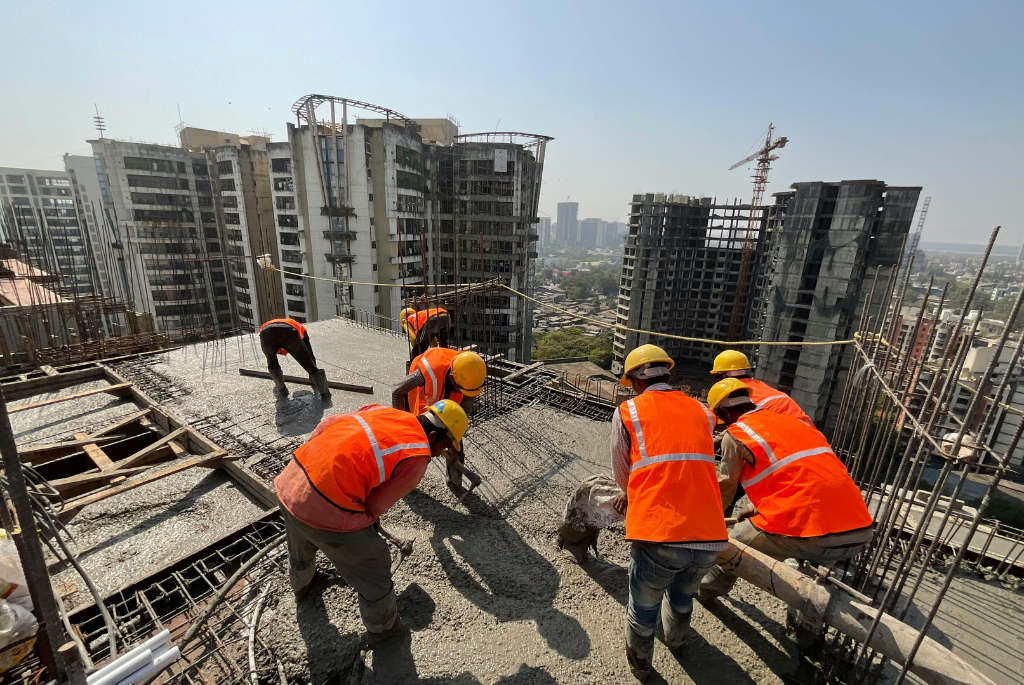
Labor shortages, AI and rent growth are all rising multifamily construction trends because they influence how builders plan, budget and manage projects. However, their impact can vary by market. A trend that has a bigger effect in one market may be less important in another. Therefore, builders shouldn’t assume these trends are the same across all markets. Labor conditions, rental demand and levels of new construction all depend on their location.
According to the National Association of Home Builders (NAHB) Home Building Geography Index, housing construction varies throughout different markets. This shows that builders can get more out of researching their own market than just following national trends.
For example, a labor shortage can pose scheduling challenges in one market while another market may have easier access to workers. While AI can help some teams reduce the time spent on repetitive tasks, its value depends on how different teams use it. Additionally, rent growth can support new development in markets with strong demand while developers may be more careful in markets with slower growth but more available units. Evaluating these differences can help builders plan successful projects rather than diving into trends that may not work in that market.
How labor shortages affect multifamily construction
It’s not always easy for builders to find skilled workers, and labor shortages make it more difficult by both impacting schedules and costs. When fewer workers are available, builders may face more competition for subcontractors. They may also have difficulty keeping projects on schedule.
Labor availability isn’t the only factor in multifamily construction labor shortages. Project size, scheduling and the availability of workers in specific trades can also influence how quickly work progresses. Builders should consider their local workforce instead of assuming every market has the same labor conditions. This way, they can reduce the shock of shortages and plan accordingly.
During labor shortages, builders should make their existing teams more efficient. For instance, they can reduce the pressure on workers by improving training, scheduling and technology. NAHB’s HBI report shows that skilled labor shortages in residential projects can lead to higher costs and longer construction times. Some of these residential projects may include multifamily housing.
How AI is changing multifamily construction
AI in multifamily construction is another major trend, but its significance depends on how builders use it. It’s better to use it as a supportive tool rather than relying solely on AI-generated results. AI can help teams with repetitive tasks such as reviewing documents, organizing information and identifying patterns in project data. While this can save time, builders still need to review the information to ensure everything is accurate and up to date.
Furthermore, AI adoption is still growing throughout residential construction. According to NAHB review of AI in home building, many builders were using AI for certain business functions rather than for every task. Builders may want to focus less on whether they’re using AI and more on whether it can help solve actual business problems.
How rent growth affects multifamily construction
Multifamily rent growth can determine whether new projects make sense in some markets. However, local supply and demand can affect a project’s outlook more than national trends. NAHB’s research indicates that the multifamily market varies by region. Markets with strong housing demand and limited new units may have better rent growth. However, markets with numerous new apartments may face more competition, which can increase pressure on rents.
Researching local markets provides a better estimate than relying solely on national numbers. Therefore, teams should review nearby projects, rental demand, vacancy rates and the amount of new construction for each location.
Watch the trend and then watch your market
Labor shortages, AI use and rent growth will continue to play significant roles in multifamily construction. It’s just a matter of deciding how important each trend is for a specific project. A labor shortage may create different challenges across each market while AI provides different uses for different teams. Rent growth may encourage development in one area, but multiple new units may create more competition in another.
When builders focus on trends that directly impact their projects, they can make more informed decisions during planning and determine how these trends may affect future work.
Sources:
1. National Association of Home Builders: Home Building Geography Index
2. National Association of Home Builders: HBI Report Reveals Economic Impact of Labor Shortages on Housing Production
3. National Association of Home Builders: Still in Its Infancy, But Gaining Ground
4. National Association of Home Builders: Multifamily Market Expected to Cool in 2026 as Vacancies Rise