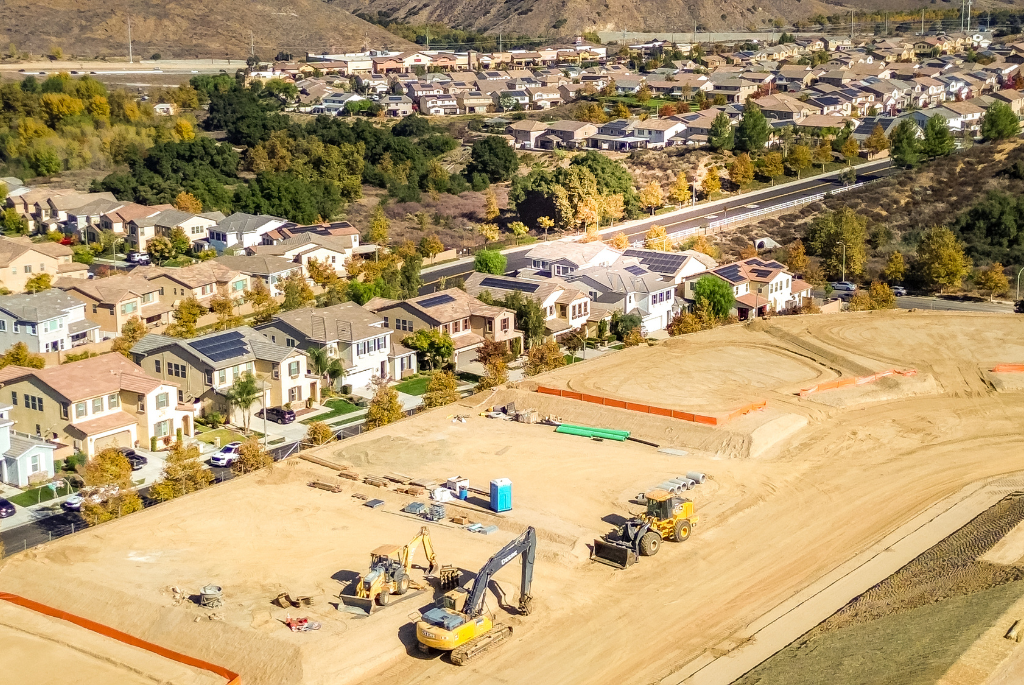
The demand for affordable single-family homes in suburban communities is stronger than ever. Shifting lifestyle preferences and the availability of remote work have driven families to seek homes outside urban centers. However, achieving affordability while maintaining quality and livability is a significant challenge for builders. Your business might have to contend with rising land costs, labor shortages, and regulatory pressures. These issues make it difficult to deliver homes that meet buyer budgets without compromising profitability. We’ll explore what’s ahead for suburban housing developments and how you can navigate the challenges.
The current state of suburban housing affordability
Suburban areas once offered a more accessible path to homeownership, but that is changing rapidly. Land prices in many regions have skyrocketed while the cost of building materials and labor continues to climb. These pressures contribute to a widening gap between what buyers can afford and what builders need to charge to maintain margins.
For developers, this means careful planning is essential. Residential construction trends focus increasingly on finding ways to deliver high-quality homes within these financial constraints. You must weigh trade-offs between size, design, and amenities to create homes that appeal to buyers while remaining cost-effective.
Factors influencing affordability in single-family suburban homes
Several key factors contribute to the challenge of affordability, including:
- Land scarcity
- Restrictive zoning regulations
- Increased competition for prime sites
- Higher acquisition costs
- Material and labor shortages
- Buyers’ expectations for community amenities, green spaces, and modern finishes
These factors collectively shape the landscape of housing affordability challenges that you must address when planning suburban home development projects.
Innovative construction strategies for cost-effective homes
To address these pressures, you can adopt innovative construction methods. Modular and prefabricated construction allows sections of homes to be built off-site, reducing labor costs and shortening construction timelines. These methods also provide flexibility in scaling production across multiple homes.
Efficient floor plans and smaller footprints can reduce material usage without sacrificing comfort or livability. Thoughtful design ensures that each square foot is functional and appealing, providing a high-quality experience for homeowners. Incorporating energy-efficient design can lower long-term utility costs, making homes more affordable over time and appealing to eco-conscious buyers.
The role of government and policy
Policy interventions can shape the future of affordable single-family homes. Local, state, and federal incentives, such as tax credits, grants, or low-interest loans, can help offset construction costs. Zoning reform, including density bonuses and relaxed land-use restrictions, allows builders to develop more homes on existing land parcels.
Collaboration between municipalities, developers, and builders is increasingly important. Form public-private partnerships to facilitate infrastructure improvements, streamline permitting processes, and provide support for cost-effective housing initiatives. These efforts make it possible to increase the supply of suburban housing developments that buyers can afford.
Market trends shaping the future of suburban housing
Demographic shifts are redefining suburban markets. Young families, first-time homebuyers, and retirees are all moving to suburban areas in search of space, safety, and community amenities. Remote work has accelerated this trend, as employees can now choose locations based on lifestyle rather than proximity to city offices.
These changes create opportunities for your company when you can identify high-demand areas and design homes that meet modern expectations. From energy-efficient features to functional home offices, you must anticipate buyer preferences while keeping costs manageable. Understanding these trends is crucial for maintaining competitiveness in residential construction.
Challenges builders must navigate
Despite opportunities, challenges remain. Balancing affordability with quality and design continues to be a central concern. Competition for land, rising construction costs, and buyer expectations for modern amenities make it difficult to deliver cost-effective solutions. Your company must innovate while maintaining profitability, carefully evaluating material selection, labor strategies, and design efficiency.
Successful developers will focus on strategic planning, leveraging technology, and exploring partnerships that enable more efficient construction. When you address these challenges proactively, you position your company to succeed in a competitive market while contributing to the availability of cost-effective housing solutions.
Looking ahead: strategies for sustainable growth
The future of suburban home development will rely on innovation, collaboration, and adaptability. When you embrace modular construction, energy-efficient design, and streamlined workflows, your company can deliver high-quality homes at lower costs. Utilizing data-driven tools to identify viable land parcels and anticipate market demand also provides a strategic advantage.
Collaborate with suppliers, municipalities, and financial partners to overcome the affordability gap. By adopting flexible strategies and embracing emerging construction industry insights, you can shape the next generation of affordable single-family homes that meet buyer needs while remaining profitable and sustainable.
Adapting to the challenges ahead
Affordable single-family homes in the suburbs are at a crossroads. Rising costs, land scarcity, and buyer expectations create challenges for you, but they also provide opportunities for innovation. By leveraging modular construction, energy-efficient design, and strategic partnerships, you can deliver homes that are both cost-effective and desirable. The future of suburban housing developments will reward builders who adapt to these trends, embrace creative solutions, and proactively address housing affordability challenges.