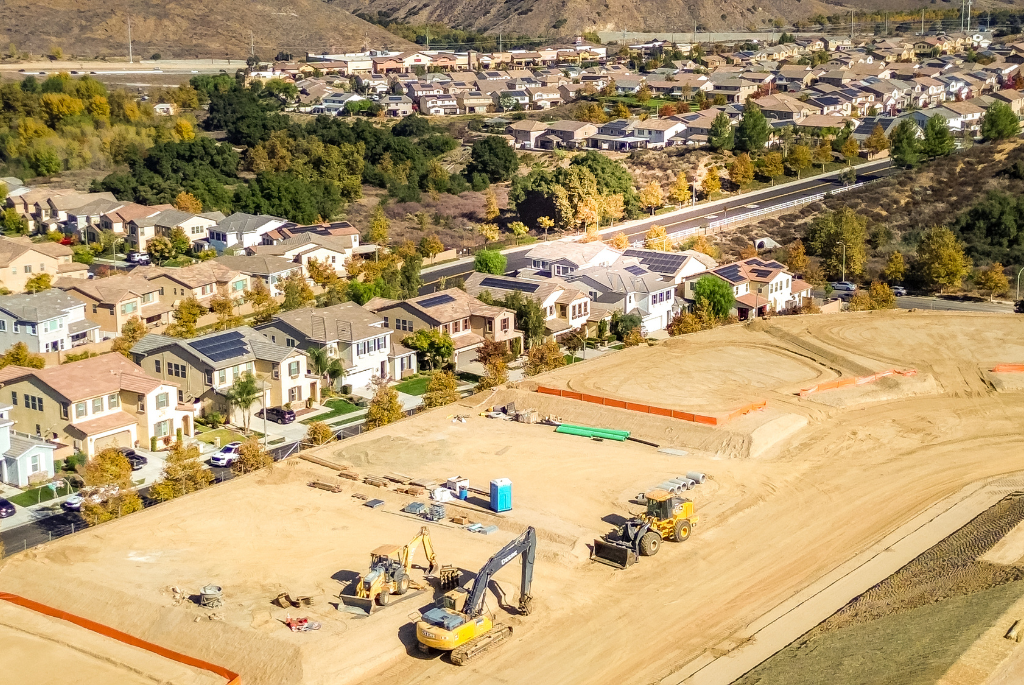
As urban populations continue to rise, the pressure on essential resources has reached unprecedented levels. High-density housing projects, designed to accommodate growing city populations, are at the forefront of this challenge. Builders and developers must now strike a balance between comfort and convenience as well as sustainability and resource efficiency. In many regions, water scarcity, outdated infrastructure, and climate variability are pushing the construction industry to rethink how water is sourced, distributed, and conserved. Modern water management strategies are becoming critical to successful housing design. Through smart monitoring systems, sustainable design, and proactive planning, you can find ways to ensure reliable water use while reducing costs and environmental impact.
The growing importance of water management in urban development
As cities grow denser, the strain on municipal water systems increases dramatically. Every new apartment complex adds to the demand for potable water, wastewater treatment, and infrastructure maintenance. Meanwhile, climate change has intensified drought cycles in many regions, particularly across the Western United States. Municipalities are responding with stricter water regulations, conservation mandates, and incentives for developers who implement efficient systems.
These shifts have made water management a top strategic priority for you. Efficient systems reduce operational costs and enhance property marketability. Prospective buyers and renters are increasingly seeking homes that align with their environmental values and offer sustainable living options. In this way, water management is a competitive advantage that helps developers future-proof their projects.
Common challenges in high-density water use
Managing water efficiently in high-density environments is a complex task. Buildings that house hundreds of residents require robust systems capable of handling significant and fluctuating demand. Challenges often include uneven water pressure, aging infrastructure, and hidden leaks that can lead to costly repairs or result in the waste of thousands of gallons of water.
Wasted water has a direct financial impact on property owners and operators. A single undetected leak or inefficient fixture can significantly increase monthly utility costs, eroding profit margins. Inadequate water planning can lead to tenant dissatisfaction due to inconsistent water temperatures or low pressure during peak hours. As a builder, these issues highlight the importance of designing plumbing systems and selecting technologies that optimize performance and reduce long-term maintenance risks.
Smart technologies transforming water management
Technology is changing how you should approach water efficiency. Smart water management systems utilize sensors, meters, and connected software to track consumption in real time, detect leaks instantly, and automatically shut off water flow when anomalies occur.
Advanced monitoring tools provide property managers with actionable data to help them identify inefficiencies and make informed decisions about maintenance and upgrades. Some systems even allow residents to track their individual water use through mobile apps, encouraging conservation and accountability. When your company integrates smart water systems into your buildings, you can see long-term returns in reduced utility bills, fewer maintenance emergencies, and higher resident satisfaction.
Innovations in plumbing design help balance water flow throughout large buildings. These technologies ensure that residents on every floor receive consistent performance while minimizing waste.
Sustainable design strategies for efficient water use
Sustainability begins with design. Low-flow fixtures, dual-flush toilets, and high-efficiency faucets have become standard components in new multifamily projects. More advanced approaches include rainwater harvesting systems, which collect and store runoff for irrigation or other non-potable uses.
Greywater recycling systems are also gaining traction, especially in larger developments. These systems capture water from sinks, showers, and laundry machines, treat it, and reuse it for flushing toilets or landscaping purposes. When combined with drought-tolerant landscaping and efficient irrigation, these solutions can significantly reduce a property’s water footprint. For developers, implementing these strategies early in the design process ensures compliance with sustainability certifications and helps meet municipal conservation targets.
Meeting regulations and sustainability standards
Building codes and sustainability frameworks are evolving rapidly to address water scarcity. Certifications such as LEED, WELL, and WaterSense provide guidelines for efficient water management, rewarding projects that exceed compliance standards. Many municipalities are also introducing “EV-ready” style mandates for water, requiring new developments to be “water-smart ready” with infrastructure for future conservation technologies.
As a builder, early collaboration with local utilities and regulators can streamline your approval processes and identify incentive opportunities. Rebates for installing high-efficiency fixtures, irrigation systems, and monitoring technology can offset initial costs. Staying proactive ensures regulatory compliance and enhances your reputation as a responsible and forward-thinking industry leader.
The long-term value for builders and residents
Investing in efficient water management offers long-term benefits that extend well beyond reduced utility bills. Properties designed with sustainable systems tend to maintain higher asset value, lower maintenance costs, and greater operational resilience. When you adopt advanced water management practices, you’ll be better positioned to handle future challenges, such as rising water costs or resource scarcity.
For residents, efficient systems translate to reliability, comfort, and a sense of contributing to environmental stewardship. Communities that promote sustainability also tend to enjoy higher tenant retention and positive word of mouth—two crucial drivers of profitability in competitive housing markets.
Prioritize water management in high-density housing projects
As cities expand and climate challenges intensify, it is essential to rethink how water is conserved, managed, and valued. Through smart technologies, sustainable design, and compliance with modern standards, your company can create communities that are efficient, resilient, and environmentally responsible.