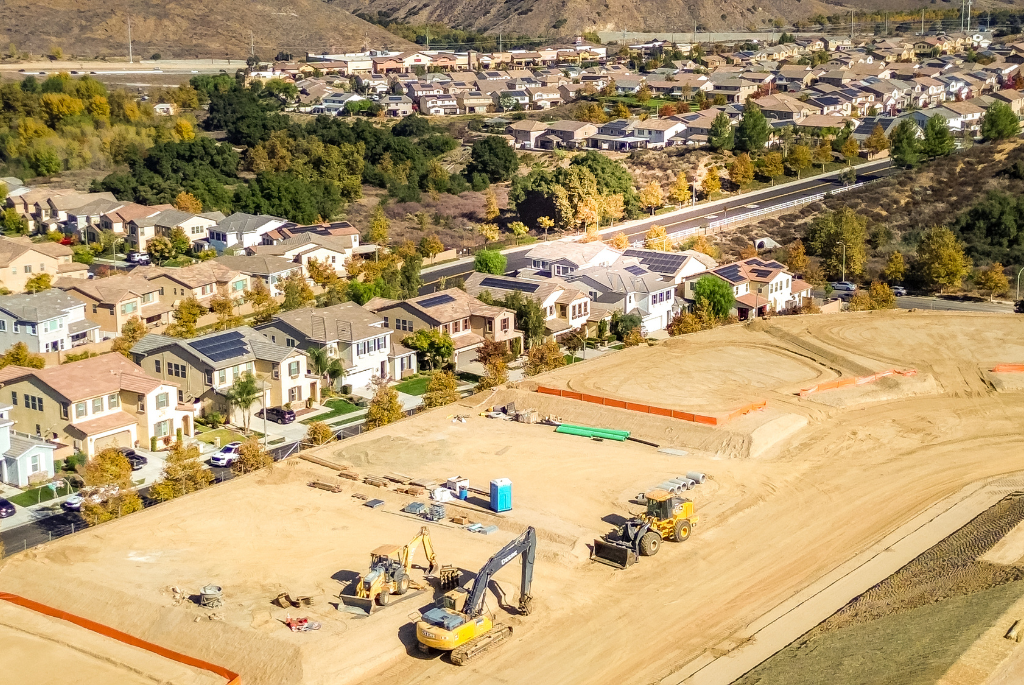
The housing industry has increasingly focused on net-zero homes. These are homes that produce just as much energy as they consume. While this approach supports sustainability goals and can be appealing in marketing, fully net-zero construction is not always the most practical or profitable path. Buyers care deeply about energy efficiency, but they don’t necessarily require a net-zero home to see value.
According to data from the National Association of Home Builders’ homebuyer surveys, 89% of buyers consider ENERGY STAR windows essential or desirable, 86% want ENERGY STAR appliances and 83% value a home with an overall energy-efficiency rating. Additionally, 72% of buyers say insulation levels above code are an important feature. These statistics demonstrate that buyers strongly value efficiency improvements that reduce energy use and utility costs. However, the data does not show widespread demand for fully net-zero homes.
Net-zero construction isn’t always practical for production builders
Net-zero homes can deliver impressive environmental performance, but they also require a complex combination of technologies. These homes typically rely on advanced building envelopes, highly efficient HVAC systems, electrified appliances and rooftop solar systems designed to offset the home’s total annual energy use.
For custom homes or showcase projects, this may be achievable. For production builders constructing entire neighborhoods, though, the economics can become challenging. Solar systems, electrical upgrades and specialized design requirements add cost and coordination to the construction process. In many markets where affordability is already a major concern, added costs can push homes beyond what many buyers are willing or able to pay.
Builders should consider operational realities. Introducing additional energy systems can increase permitting complexity, require specialized subcontractors and create variability in construction timelines. These factors can make net-zero construction difficult to replicate across multiple projects.
Buyers prioritize efficiency that lowers monthly costs
Buyer surveys consistently show that homeowners are primarily motivated by lower utility bills and improved comfort rather than achieving net-zero energy expenditures.
Real estate data reveals a growing interest in energy-efficient homes. The 2024 National Association of Realtors Sustainability Report found that 45% of homebuyers express interest in sustainability features in homes, and 57% of real estate professionals say promoting energy efficiency in listings adds value.
For builders, the data suggests buyers value energy efficiency when it produces tangible benefits. Lower energy bills, improved indoor comfort and modern technology are easier for buyers to understand and appreciate than complex energy certifications.
High-impact efficiency upgrades deliver most of the benefits
Many of the features buyers want most are also among the easiest to implement across production housing.
Improving insulation levels, specifying high-performance windows and installing efficient HVAC systems can dramatically reduce a home’s energy consumption without requiring the full infrastructure needed for net-zero performance. Smart thermostats, energy-efficient lighting and ENERGY STAR appliances further improve efficiency while remaining relatively simple to incorporate into new construction.
These upgrades also scale well across entire developments. You can standardize materials and negotiate supplier pricing for high-volume efficiency components. This enables you to deliver meaningful energy improvements while maintaining predictable construction schedules and budgets.
These upgrades also appeal to buyers. When sales teams can clearly explain how a home’s insulation package, windows or HVAC system will lower utility costs, the value proposition becomes much easier for buyers to understand.
Scalable approaches to sustainability
For many builders, the most effective strategy is not to pursue full net-zero construction but to design homes that are significantly more efficient than code requirements. Some builders are adopting a “near-net-zero” approach by building homes with high-performance envelopes and efficient mechanical systems while making solar energy optional.
Features like solar-ready roofs, EV-charging capability and smart home energy management systems allow buyers who want deeper sustainability features to add them later. At the same time, builders maintain the affordability and operational consistency required for production housing.
Industry trend analysis also shows increasing interest in energy-efficient technologies and sustainable home features in the housing market overall. However, that growth does not necessarily mean every home must achieve net-zero status.
Practical efficiency may outperform net-zero ambitions
Net-zero homes remain an important long-term goal for the housing industry. They will continue to help advance building science and sustainability. However, the broader residential market suggests that builders do not need to pursue net-zero construction to meet buyer expectations.
Homebuyers consistently prioritize features that improve comfort and reduce energy bills, including efficient windows, better insulation, modern HVAC systems and energy-efficient appliances. These upgrades provide measurable value without dramatically increasing construction costs or complicating production processes.
For builders focused on scalability, affordability and predictable project timelines, this approach may offer the best path forward. Rather than chasing net-zero certification on every project, builders may find greater success by integrating practical, high-impact efficiency improvements into every home they build.