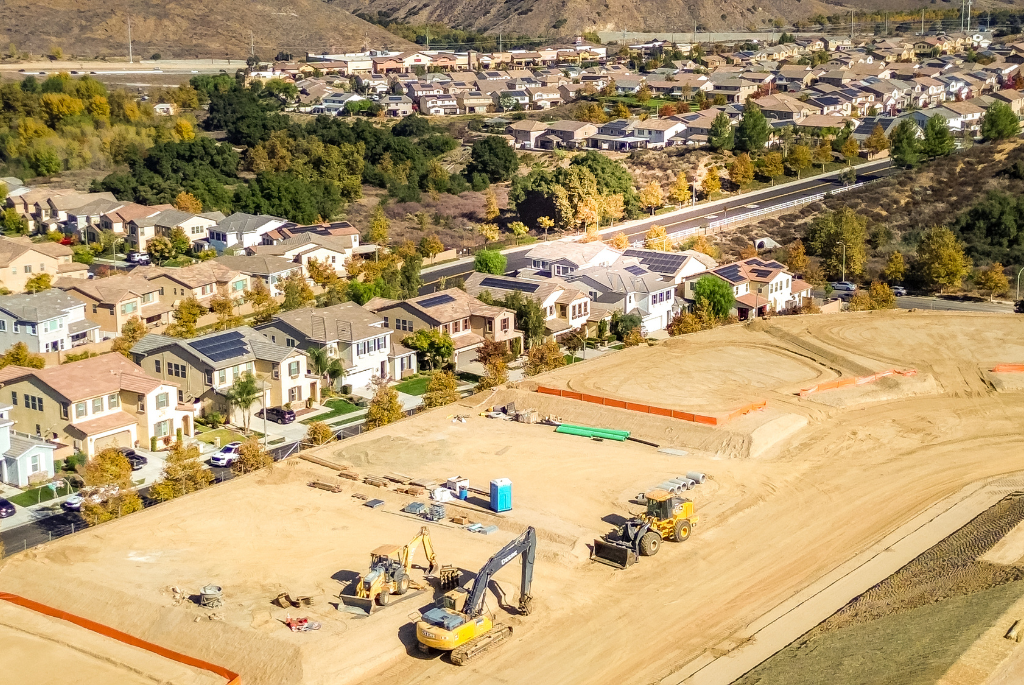
Customization is a major selling point in new home construction. Buyers want homes that reflect their personal tastes. Many builders have responded by expanding design centers and offering hundreds of upgrade options. However, offering more choices does not always lead to better outcomes. Excessive customization can disrupt production schedules and overwhelm buyers with decisions. For builders operating in single-family and multifamily production environments, structured personalization that allows buyers to make meaningful choices without slowing the building process is a better strategy.
The operational cost of unlimited customization
For marketing purposes, customization can help differentiate your product. However, it introduces significant operational complexity. Every additional structural option, finish upgrade or design center selection can create excessive variability.
As a production builder, you depend on repeatable processes to maintain margins and predictable build cycles. When every home in a community has a different set of structural modifications or finish packages, subcontractors lose efficiency, and procurement becomes more complicated. Small variations in materials can lead to ordering delays, scheduling disruptions and increased construction management time.
These challenges are even more significant if you already face supply chain disruptions, labor shortages and affordability pressures. According to the National Association of Home Builders (NAHB), restrictive building codes, limited buildable lots and a shortage of skilled labor remain major barriers to housing production across the industry. Excessive customization options can reduce the production efficiencies that keep housing projects profitable and on schedule.
Buyers want personalization, but not unlimited choice
Although buyers value personalization, most do not want to design every aspect of a home from scratch. A recent survey of new homebuyers found that 92% want some level of customization, but the share who actually pursue full customization drops significantly once buyers confront the cost and complexity of upgrades.
Most buyers focus their customization on a relatively small set of areas. Kitchen finishes, flooring materials, bathroom features and flexible spaces like home offices or bonus rooms are among the most commonly requested upgrades.
Industry surveys show similar patterns. Many of the most desired features involve practical enhancements rather than fully customized design elements. For example, surveys of buyer preferences consistently highlight features like walk-in pantries, double sinks and kitchen islands among the most desirable home upgrades.
Structured customization protects production timelines
Builders who successfully balance customization with production efficiency typically rely on structured systems rather than unlimited choice. Instead of allowing every element of the home to change, they create predefined options that fit within the builder’s construction workflow.
These systems often include pre-engineered floor plan variations, such as an additional bedroom, home office or extended outdoor living space. You might also offer curated design packages that bundle compatible finishes together rather than allowing buyers to select every material individually.
This gives buyers the sense that they are personalizing their home while preserving repeatable construction processes. Trades know which materials they will install, procurement teams can order in predictable quantities and construction schedules remain consistent across multiple homes. Structured customization allows you to maintain the efficiencies of production housing while still delivering homes that feel unique to buyers.
Affordability pressures reshape buyer expectations
Another reason you must manage customization carefully is affordability. Rising home prices and mortgage rates have forced many buyers to focus on value rather than extensive upgrades.
NAHB research shows that builders are already responding to affordability challenges by offering smaller homes and more efficient designs. The median new home size has declined in recent years as builders work to control costs and keep homes within reach for buyers.
At the same time, buyers still want homes that feel personalized and modern. This dynamic allows builders to focus on the specific options buyers value most instead of offering endless upgrade lists.
In many cases, buyers would rather have a smaller home with thoughtful design features than a larger home with fewer amenities. That shift reinforces the importance of curated customization over unlimited choice.
Data-driven options can improve both sales and operations
You can further improve efficiency by analyzing which upgrades buyers actually select most often. Over time, sales data from previous communities reveals patterns in buyer behavior. Certain structural options, finish packages and technology upgrades consistently outperform others.
By focusing on those high-demand options, builders can refine their design center offerings and eliminate rarely selected upgrades that complicate construction. This also improves the buyer experience. When design centers present a curated set of options based on what buyers historically prefer, the decision process becomes faster and less stressful.
The goal is intentional personalization
Customization will always be part of the appeal of new construction homes. Buyers want homes that feel tailored to their lifestyle, and builders who offer thoughtful options can create a meaningful competitive advantage.
But more options do not automatically create more satisfaction. In fact, excessive customization can slow construction timelines, increase operational complexity and overwhelm buyers with decisions.
Successful builders focus on intentional personalization. They offer a carefully structured set of options that align with both buyer demand and construction efficiency. Managing customization effectively helps maintain both construction efficiency and buyer satisfaction.