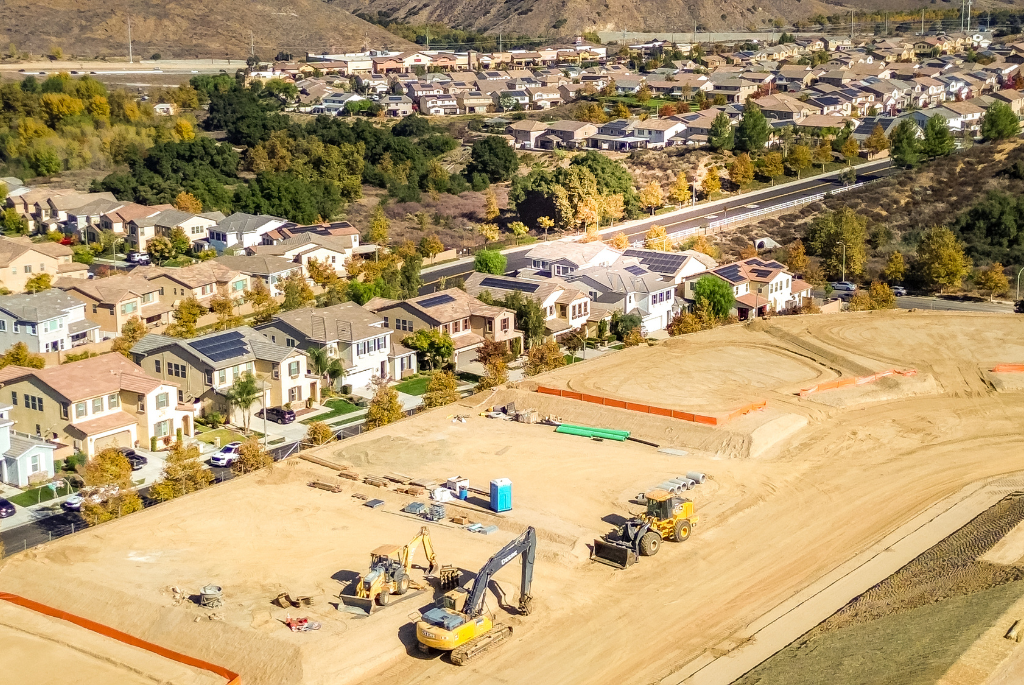
National affordability headlines suggest builders have only one lever left to pull: cut the product. However, that oversimplifies the situation. Entry-level home construction demands discipline, but reducing visible quality isn’t the only path to viable margins. In many markets, the builders who win are not those who strip homes down the furthest, but those who make sharper decisions about where cost control belongs.
According to the National Association of Home Builders, housing affordability remains constrained by elevated construction inputs, lot costs and regulatory burdens. This shapes what builders can deliver at entry-level price points. Builders still face significant cost pressure, but visible downgrades are not the only way to respond. The real challenge is deciding where cost reductions make sense and where they undermine the product.
Cost conversation is often misdirected
Material volatility, labor shortages, entitlement delays and financing shifts factor into today’s pro forma. What’s debatable is where builders look first when margins tighten. Too often, they pull the fastest lever visible: thinner trim packages, downgraded flooring, flat elevations and simplified lighting.
Some of those moves make sense in certain submarkets. Others erode brand equity, especially in competitive subdivisions where curb appeal and interior finishes influence perception and resale potential. Balancing cost and quality in home construction requires distinguishing between operational efficiency and short-term expense reduction.
Cost control in home building should start with the process before touching perception. Cycle time, trade sequencing, procurement standardization and plan optimization often offer more savings than cosmetic reductions. These adjustments are harder to execute than swapping finishes, but they’re more durable and not impossible.
What buyers actually notice and what they don’t
While entry-level buyers are price-sensitive, they respect quality. In many regions, first-time buyers are stretching financially. Visible shortcuts can feel risky rather than reassuring.
Buyers respond to curb appeal, kitchen functionality, flooring durability and lighting. They rarely see framing efficiencies, optimized HVAC layouts or negotiated supplier contracts. Reducing construction costs without sacrificing quality is often about shifting savings behind the drywall rather than in front of it.
However, not every community needs stone façades or premium fixtures. What works in one market may not work in another. A fast-growing exurban area may reward aggressive pricing, while a built-out suburban market with strong resale activity may expect a higher baseline level of finish.
Value engineering isn’t the villain
Value engineering is often treated as code for downgrading finishes. Properly applied, it should be strategic.
In entry-level home construction, smart value engineering might include:
- Simplifying rooflines to reduce labor complexity
- Standardizing floor plans across multiple communities
- Locking in long-term supplier agreements
- Reducing waste through tighter material takeoffs
- Aligning product offerings with appraisal ceilings
These are operational decisions, not aesthetic sacrifices. They support balancing affordability and quality in new construction without compromising the product.
Visible downgrades are often the easiest lever to pull and the most likely to shape buyer perception. Sustainable margin requires weighing short-term finish reductions against long-term brand implications.
Quality control is risk management
Quality control in home construction is sometimes framed as a luxury layer: something to protect higher-end product lines. That view underestimates risk.
Warranty costs, callbacks, rework and online reviews disproportionately affect entry-level buyers who may have limited financial flexibility to absorb issues. A poorly executed mechanical system or rushed framing inspection doesn’t stay hidden for long. It surfaces in service calls and reputation damage.
When implemented effectively, quality control, particularly at scale, is a margin protection strategy. Tight supervision, consistent trade standards and disciplined inspections reduce long-term volatility. Cutting too deeply in this area rarely pays off.
The real balancing act
Entry-level home construction isn’t becoming easier. The idea that affordability requires visible compromise deserves scrutiny. Reducing construction costs without sacrificing quality is possible when savings come from scale, process discipline and supplier collaboration rather than blunt specification cuts.
To balance affordability and quality in new construction, you need to protect what buyers notice and what protects your margin. The builders who stand out may not be those who cut the most, but those who cut the smartest.
Building smarter, not just cheaper
Cost pressure is unlikely to ease. Affordability challenges remain embedded in land, labor and regulatory structures. Industry estimates cited by the National Association of Home Builders suggest rising material costs alone have added nearly $10,900 to the cost of constructing the average new home in recent years, underscoring how persistent these pressures have become.
However, entry-level doesn’t have to mean expendable.
If we approach balancing cost and quality in home construction as a leadership decision grounded in data, regional awareness and disciplined execution, we expand our options beyond visible reduction. Markets differ. Buyer expectations shift. Smart operators recognize that quality control in home construction and operational efficiency are complementary levers.
Cost reduction in today’s environment is inevitable. The challenge comes from identifying where cuts improve efficiency and where they quietly weaken the product.
Sources:
https://www.nahb.org/why-nahb/about-nahb/nahbs-history-and-values
https://www.marchassociates.com/2022/7/12/what-are-the-benefits-of-value-engineering-in-construction