Buyer expectations for suburban living are changing. Homeowners are increasingly seeking neighborhoods that reduce daily travel time while still offering the space and comfort typically associated with the suburbs. This shift has brought new attention to 15-minute suburbs, a development approach that emphasizes proximity, accessibility and thoughtful planning. For those shaping the next generation of neighborhoods, this trend presents both strategic opportunities and important planning considerations.
What are 15-minute suburbs?
At their core, 15-minute suburbs are communities designed so residents can reach everyday essentials within a 15-minute walk, bike ride or short drive. Grocery stores, schools, parks, fitness options and basic services are intentionally placed closer to where people live. Unlike urban-focused models, this concept adapts to lower-density environments while preserving the appeal of single-family living.
For single-family developers, this approach doesn’t require replicating dense city centers. Instead, it focuses on smarter layouts, stronger connectivity and more intentional placement of amenities. The goal is convenience without sacrificing privacy, space or neighborhood character.
Why 15-minute suburbs are gaining momentum
Several long-term shifts are driving interest in this model. Remote and hybrid work have reduced the daily commute for many households, allowing people to prioritize where they live rather than how close they are to an office. At the same time, rising transportation costs and congestion have increased demand for communities that minimize unnecessary travel.
Municipalities are also rethinking zoning and infrastructure to support more efficient suburban housing development. Local governments see value in developments that reduce traffic strain, encourage local spending and create stronger neighborhood identities. These factors combined have made 15-minute suburbs a practical response to evolving lifestyle and economic realities, rather than a short-lived trend.
What this trend means for single-family developers
For single-family developers, 15-minute suburbs offer a way to stand out in competitive markets. Communities designed with accessibility and convenience in mind can appeal to a broader range of buyers from young families to empty nesters. These developments often command stronger long-term demand because they align with how people want to live day to day.
However, the approach requires careful planning. Developers must balance lot sizes, open space and amenity placement while navigating zoning and infrastructure requirements. Early collaboration with municipalities and suppliers becomes increasingly important. Those who understand the model and plan accordingly are better positioned to deliver projects that meet both market demand and regulatory expectations.
Long-term efficiency and operational value
Beyond buyer appeal, 15-minute suburbs can also influence project performance throughout the development lifecycle. Thoughtful proximity planning may reduce long-term infrastructure strain, improve traffic flow and support more efficient use of shared amenities. These factors can help stabilize operating costs and make communities easier to manage over time. For developers, this creates an opportunity to align market demand with operational efficiency, reinforcing the value of planning from the earliest stages of development.
Designing for community-focused development
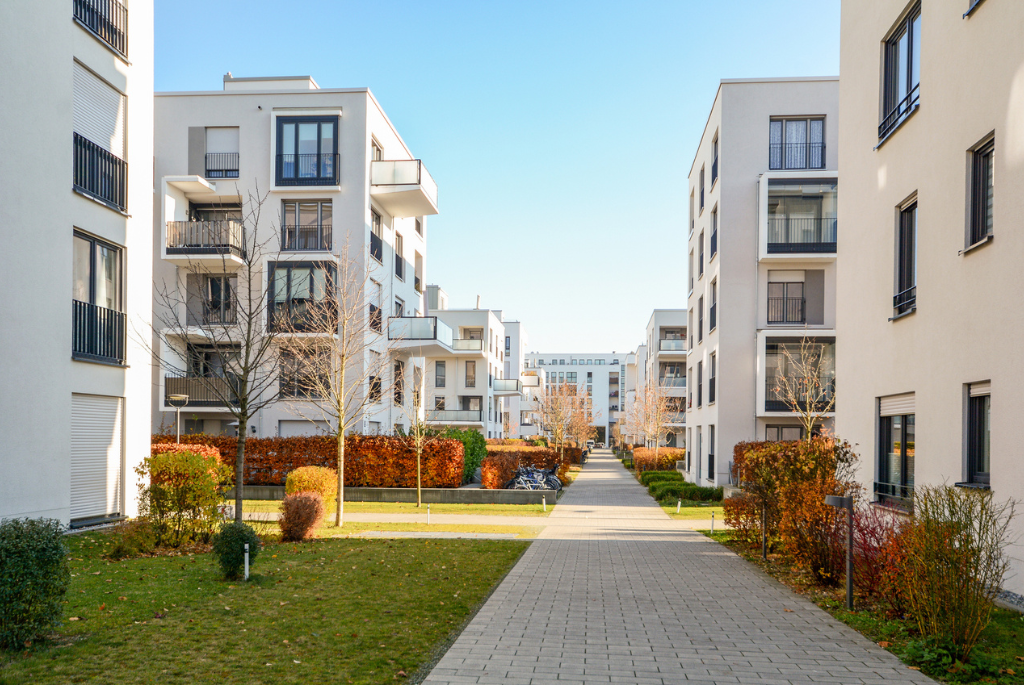
Community-focused development sits at the heart of the 15-minute suburb concept. Instead of treating amenities as afterthoughts, developers integrate them into the neighborhood. Walking paths, shared green spaces and small commercial nodes help create places where residents naturally interact.
This design philosophy can improve neighborhood cohesion and long-term value. When residents feel connected to their surroundings, they’re more likely to stay, invest and advocate for their community. For developers, this translates into stronger reputations and projects that remain attractive well beyond initial build-out.
Impacts on single-family community planning
Single-family community planning plays a critical role in making 15-minute suburbs successful. Road layouts, pedestrian connectivity and phased development strategies all influence how accessible a neighborhood truly feels. Planning must consider how residents will move through the community, not just how homes are arranged on a site plan.
Coordination with local governments, builders and service providers is essential. Schools, retail partners and recreational facilities often need to align with development timelines. When developers plan for flexibility and future growth, they can ensure communities adapt to evolving needs without requiring major redesigns.
Aligning development strategy with local partnerships
Successful 15-minute suburbs often depend on strong collaboration between developers, municipalities and local service providers. Early coordination can help align zoning expectations, infrastructure investments and amenity placement, reducing friction later in the development process. For single-family developers, these partnerships create opportunities to streamline approvals and build goodwill with local stakeholders. When development goals align with broader community objectives, projects are more likely to move efficiently from planning to completion.
What’s next for suburban housing development
The principles behind 15-minute suburbs are likely to influence suburban housing development for years to come. While not every market will adopt the model in the same way, the emphasis on convenience, connectivity and livability is broadly applicable. Developers who understand these priorities can scale them to fit regional needs, land availability and buyer preferences.
Importantly, this approach encourages long-term thinking. Communities designed around accessibility and quality of life tend to age better and remain desirable as demographics shift. That durability makes the model appealing to both developers and municipalities focused on sustainable growth.
Building neighborhoods that work smarter, not harder
Fifteen-minute suburbs reflect a broader shift toward smarter, more intentional suburban development. For single-family developers, the opportunity lies in aligning planning decisions with how people actually live. By focusing on accessibility, community-focused development and thoughtful design, you can create neighborhoods that meet today’s expectations while remaining resilient tomorrow.