Urban environments continue to grow denser, and multifamily developments play a central role in how cities manage heat, comfort, and long-term livability. As buildings, pavement, and hardscape replace natural ground cover, many urban areas experience higher surface and air temperatures. This condition, commonly referred to as the urban heat island effect, affects both residents and building performance.
For builders and developers, resilient landscaping offers a practical way to reduce heat buildup while improving site performance. When planned early, landscape design can lower surface temperatures, reduce cooling demand, and improve how residents use outdoor spaces across a community.
Heat islands matter in multifamily developments
Urban heat islands form when dark surfaces such as asphalt, concrete, and rooftops absorb and retain heat throughout the day. In dense residential settings, this buildup raises ambient temperatures and increases strain on building systems.
In multifamily communities, elevated temperatures affect resident comfort, increase cooling loads, and accelerate wear on exterior materials. Landscaping does more than improve appearance. Shade trees, layered planting systems, and vegetated surfaces cool surrounding areas through surface coverage and loss of water from the soil
by evaporation and transpiration. These effects reduce heat stress on buildings while improving outdoor usability.
Resilient landscaping supports long-term site performance
Resilient landscaping prioritizes durability, adaptability, and performance under changing conditions. In urban multifamily settings, this approach emphasizes plant selection, soil health, and surface treatments that tolerate heat, drought, and frequent use.
Unlike ornamental landscaping alone, resilient systems provide consistent cooling benefits over time. Shade, soil moisture retention, and reduced heat reflection continue to perform as landscapes mature, helping developers manage long-term operational risk.
Tree canopy plays a critical cooling role
Trees remain some of the most effective tools for reducing surface and air temperatures. Shade from a well-planned canopy lowers pavement temperatures and limits heat gain on building facades.
Placement matters as much as species selection. Builders achieve the strongest impact when trees shade courtyards, walkways, seating areas, and building edges exposed to afternoon sun. Concentrating canopy coverage near high-use areas improves comfort where residents spend the most time.
Ground cover and plant selection influence heat absorption
Plant choice affects how much heat a site absorbs and retains. Light-colored vegetation reflects more sunlight than hard surfaces and reduces surface temperatures at ground level.
Layered planting systems increase effectiveness. Ground cover cools soil surfaces, shrubs reduce reflected heat at pedestrian level, and tree canopies intercept direct sunlight. Together, these layers create localized cooling zones that outperform single-layer planting strategies in dense developments.
Using the right plants supports heat reduction
Vegetation that can reduce the urban heat island effect includes:
- Large-canopy deciduous trees for shading hardscape and facades
- Medium-size urban-tolerant trees for courtyards and walkways
- Drought-tolerant shrubs that reduce reflected heat near pedestrian areas
- Dense ground cover that cools soil surfaces and limits heat reradiation
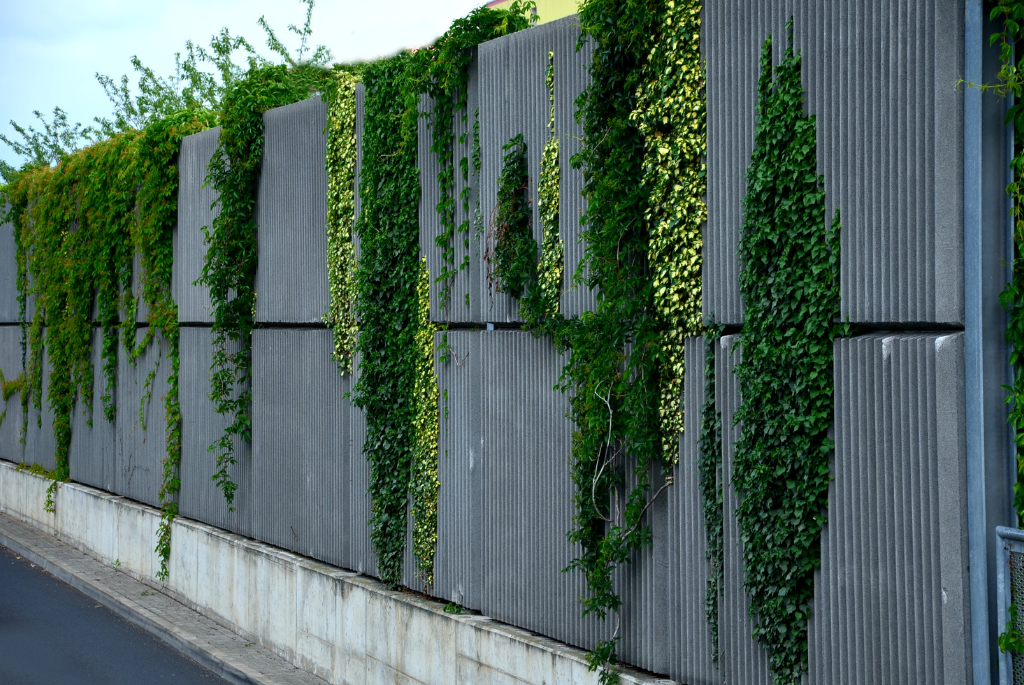
- Climbing vines used to shade walls, trellises, and podium structures
Builders typically select species within these categories based on climate, soil conditions, root volume, and maintenance expectations. The objective is not a fixed plant list but rather a layered system that delivers consistent shade and durability over time.
Developing strategies that balance hardscape and planted areas
Hardscape remains necessary for circulation and access, but excessive paved areas contribute directly to heat buildup. Resilient landscape strategies balance hardscape with planted areas that interrupt heat retention.
Design approaches may include narrower walkways, shaded seating zones, and planting beds that break up large paved surfaces. In parking areas, tree placement and landscape islands reduce surface temperatures and improve usability.
Managing the green infrastructure and elevated landscapes
Green infrastructure elements such as rain gardens and bioswales manage stormwater while contributing to cooling through plant transpiration. When integrated early, these systems align landscape performance with broader site engineering goals.
In dense projects with limited ground space, rooftop and podium-level landscaping extends cooling strategies vertically. Vegetated roofs and planters reduce heat absorption on exposed building surfaces and improve thermal performance below.
Improving landscape performance with early coordination
Resilient landscaping delivers the strongest results when builders coordinate design decisions early in the project lifecycle. Collaboration between civil engineers, landscape architects, and building teams helps align grading, drainage, and plant placement before construction begins.
Early coordination allows builders to preserve soil health, allocate sufficient root zones, and integrate irrigation and stormwater systems efficiently. These decisions reduce conflicts during construction and improve long-term landscape performance once the community opens.
Maintenance planning to support long-term value
Resilient landscaping performs best when builders consider long-term maintenance during design. Plant selection, irrigation efficiency, and access for routine care all influence whether cooling benefits remain consistent over time.
Low-water plantings and durable soil systems reduce ongoing maintenance demands while protecting initial investments. Clear maintenance planning also helps control operating costs, which strengthens the long-term value of landscape-driven cooling strategies.
Designing cooler, more livable communities
Resilient landscaping offers builders a practical way to reduce urban heat islands while improving site performance and resident comfort. Through thoughtful plant selection, strategic shade placement, and balanced hardscape design, multifamily developments can manage heat more effectively.
As cities continue to densify, landscape design plays an increasingly important role in how communities function. Builders who treat landscaping as a performance system rather than an afterthought deliver environments that feel cooler, more usable, and better prepared for long-term urban conditions.