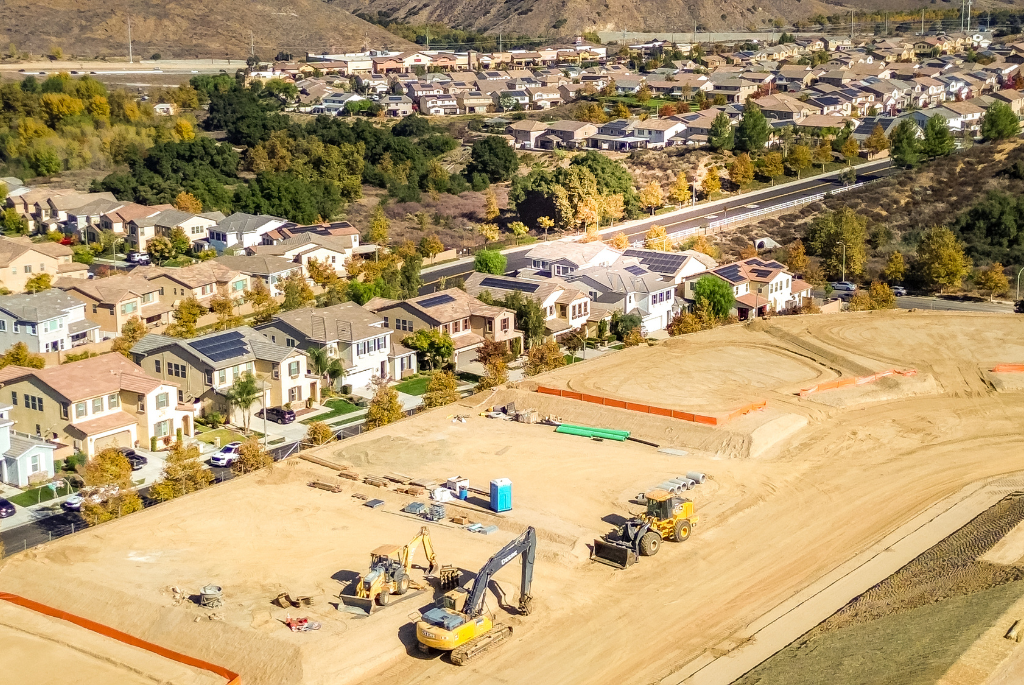
Rising construction costs, limited lot availability and changing buyer priorities are reshaping how we approach single-family development. Across the industry, we’re seeing clear entry-level home design trends that favor efficiency over excess square footage. Instead of building larger homes that push buyers beyond their budgets, we’re focusing on layouts, features and technologies that deliver comfort, functionality and long-term value within a smaller footprint. This shift reflects a growing understanding that today’s buyers want homes that work harder, not just look bigger.
Market forces driving smaller home designs
Understanding why builders are designing smaller homes begins with recognizing today’s economic realities. Material prices, labor shortages and land costs continue to influence project feasibility. At the same time, first-time and entry-level buyers remain highly sensitive to monthly payments, energy costs and long-term maintenance expenses.
Smaller homes allow us to control construction budgets while still delivering quality craftsmanship. Limited lot sizes in both suburban and urban developments also play a role, making compact designs more practical. In addition, many buyers prioritize location, community amenities and commute times over extra square footage. These factors have made smaller, smarter homes a strategic response to market demand rather than a temporary trend.
Smart space planning: Making every square foot count
Smart space planning is at the core of successful entry-level home design. When square footage is limited, every room must serve a clear purpose. We focus on eliminating wasted areas such as oversized hallways, underused formal rooms and unnecessary partitions.
Open-concept layouts remain popular because they create visual space and improve traffic flow. Flexible rooms that function as offices, guest spaces or workout areas allow buyers to adapt their homes to changing lifestyles. Well-designed storage zones, efficient kitchen layouts and carefully placed windows also enhance usability. These small home design strategies ensure compact homes feel organized and comfortable rather than cramped.
Space-saving home features that add value
Practical space-saving home features play a major role in improving daily living. Built-in shelving, window seats with storage and under-stair cabinets help maximize available space without sacrificing aesthetics. Vertical storage systems in closets and garages allow homeowners to stay organized while reducing clutter.
Pocket doors and sliding barn-style doors free up floor space that traditional swing doors require. In kitchens, pull-out pantries, corner storage systems and multilevel cabinets improve accessibility. Bathrooms benefit from wall-mounted vanities and recessed shelving. These features not only enhance functionality but also contribute to stronger resale appeal by demonstrating thoughtful design.
Smart home design ideas for today’s buyers
Technology has become an essential component of modern entry-level housing. Smart home design ideas allow smaller homes to deliver convenience, efficiency and security without increasing square footage. Programmable thermostats, energy-efficient lighting systems and smart appliances help buyers control utility costs and environmental impact.
Integrated security systems, video doorbells and smart locks provide peace of mind, especially for first-time homeowners. Voice-controlled assistants and centralized control hubs make it easier to manage daily routines. By incorporating technology early in the design process, we ensure compact homes remain competitive and future-ready.
Benefits for builders and developers
Smaller, smarter homes offer clear advantages for builders and developers. Reduced material usage and streamlined construction processes help control project budgets. Efficient designs often result in shorter build timelines, allowing projects to move from development to sale more quickly.
Lower price points expand the pool of qualified buyers, improving absorption rates and reducing inventory risk. These entry-level home design trends also support more sustainable development practices by limiting land consumption and energy usage. When executed properly, compact homes deliver strong returns while meeting market expectations.
Meeting buyer expectations without increasing square footage
Today’s buyers are more informed and selective than ever. They understand that value is not defined by size alone. Our goal is to meet these expectations through smart space planning and thoughtful design choices.
Customization options, such as upgraded finishes, storage packages and technology bundles, allow buyers to personalize their homes. Outdoor living spaces, including covered patios and small courtyards, extend usable square footage without increasing construction costs. High-quality materials, natural lighting and consistent design themes also contribute to a sense of spaciousness and comfort. These small-home design strategies help maintain buyer satisfaction while preserving affordability.
How buyer-supplier partnerships support smarter home design
Strong buyer-supplier relationships play a critical role in delivering high-performing entry-level homes. Suppliers provide access to innovative materials, modular components and efficient systems that support compact design goals. From preengineered framing solutions to space-saving fixtures, these partnerships enhance both quality and consistency.
Industry events and networking platforms allow us to stay informed about emerging products and best practices. Collaboration helps builders identify cost-effective solutions that align with market demand. When we work closely with suppliers, we strengthen our ability to deliver reliable, scalable and competitive housing solutions.
Thinking small, building smart and growing strong
Smaller homes represent more than a response to rising costs. They reflect a broader commitment to efficiency, innovation and buyer-centered design. Understanding why builders are designing smaller homes allows us to see these projects as opportunities rather than limitations. Through smart space planning, practical features and modern technology, we create homes that support long-term satisfaction and sustainable growth.
As the industry continues to evolve, embracing smarter design strategies positions us to serve buyers better while building stronger, more resilient communities.