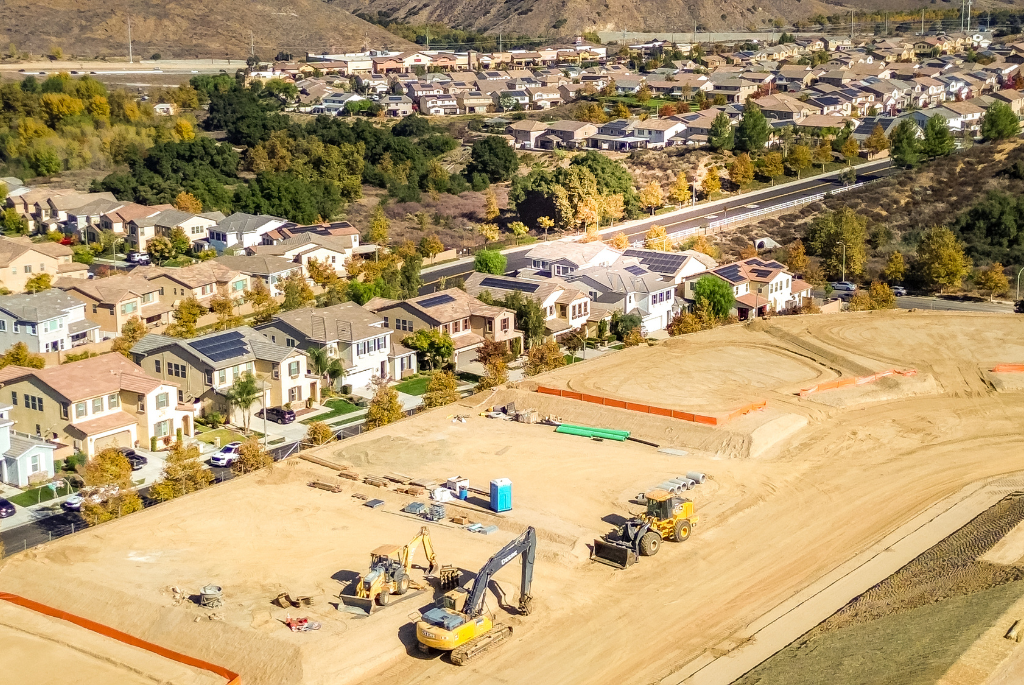
Many builders assume that most homebuyers prioritize customization. While personalization can influence purchase decisions, recent housing data suggests a different trend. Instead, demand for fully custom homes has fallen. According to the National Association of Home Builders (NAHB), the percentage of buyers who reported they preferred a custom-built home fell from 49% in 2003 to 21% in 2023, while those who preferred new homes built for sale during the same period rose from 22% to 40%. As a builder, you should consider whether your company might be investing too much in customization when the market might instead reward you for building streamlined homes ready for sale.
The myth of the customization-obsessed buyer
A common belief within the construction industry is that buyers want to design every detail of their homes. However, most buyers do not want to manage a fully custom building process. Designing a home from scratch requires dozens of decisions and a higher price point, which are factors that can discourage buyers faced with housing shortages and high prices.
What many buyers really want is controlled choice. They may want to select finishes, choose between a few floor plan options or add lifestyle upgrades such as an office or outdoor living space. But that is very different from commissioning a completely custom home. If your business interprets buyer interest in “customization” as demand for fully custom construction, you may be misreading the market. Buyers often want personalization within a framework rather than an open-ended design process that increases cost and complexity.
Market data points toward builder-designed homes
Housing production data show that more buyers prefer builder-designed homes over customization. According to a report by the LBM Journal, 73.1% of new single-family homes started in 2024 were built-for-sale, while only 17.5% were custom homes built on a buyer’s lot.
This trend is closely tied to the economic realities of the housing market. Most builders operate in environments where scalability, speed and cost control matter. Spec and semi-custom homes allow builders to standardize materials, manage trade schedules more efficiently and maintain predictable margins. Meanwhile, the fully custom segment tends to be smaller and often concentrated in higher-end markets or on buyer-owned land. For many production builders, pursuing large-scale customization can introduce operational complexity without significantly expanding demand.
Operational complexity matters more than ever
Even if buyers express interest in customization, you must weigh the operational consequences. Custom homes typically require more coordination across trades, greater variability in materials and additional project management oversight. Change orders and design revisions can delay schedules and disrupt production workflows.
By contrast, spec and semi-custom models involve a more repeatable building process. Standardized plans reduce construction variability and allow trades to work more efficiently. Those efficiencies can translate directly into shorter build times and more predictable costs.
Operational predictability is increasingly important because of issues such as labor shortages and rising material costs. Builders who streamline their product offerings may be better positioned to maintain margins and scale production.
Buyers increasingly prioritize speed and affordability
Housing costs and mortgage rates have forced many buyers to focus on price and timing rather than customization. At the same time, demand for new homes remains strong. According to NAHB research, 61% of buyers say they would prefer a newly built home over an existing one, the highest share recorded since 2007.
However, those buyers are also becoming more flexible about trade-offs. Surveys show increasing willingness to accept smaller homes or fewer features to keep prices manageable.
The strategic middle ground: structured personalization
Customization is not disappearing. Instead, the most successful builders are redefining what customization looks like.
Rather than offering unlimited design flexibility, many builders are choosing structured personalization strategies. These may include pre-engineered floor plan options, curated finish packages and a limited set of structural upgrades that fit within existing construction systems. This approach gives buyers a sense of personalization while preserving the efficiencies builders need. It also reduces decision fatigue for buyers, making the purchasing process simpler and faster.
Builders may need to rethink the customization assumption
Especially in the luxury home market or on buyer-owned lots, custom homes will always have a place. But broader industry data suggests that the typical homebuyer is not necessarily seeking a fully customized building experience.
Instead, buyers increasingly appear to prefer builder-designed homes that combine thoughtful layouts, modern features and a manageable level of personalization. For builders, the perceived demand for customization may be greater than the real one.
Companies that assume every buyer wants a custom home may be adding complexity where the market does not require it. In today’s housing environment, the most effective strategy may be well-designed spec and semi-custom homes that balance personalization with operational efficiency, not unlimited choice.