How sustainable building is redefining multifamily housing
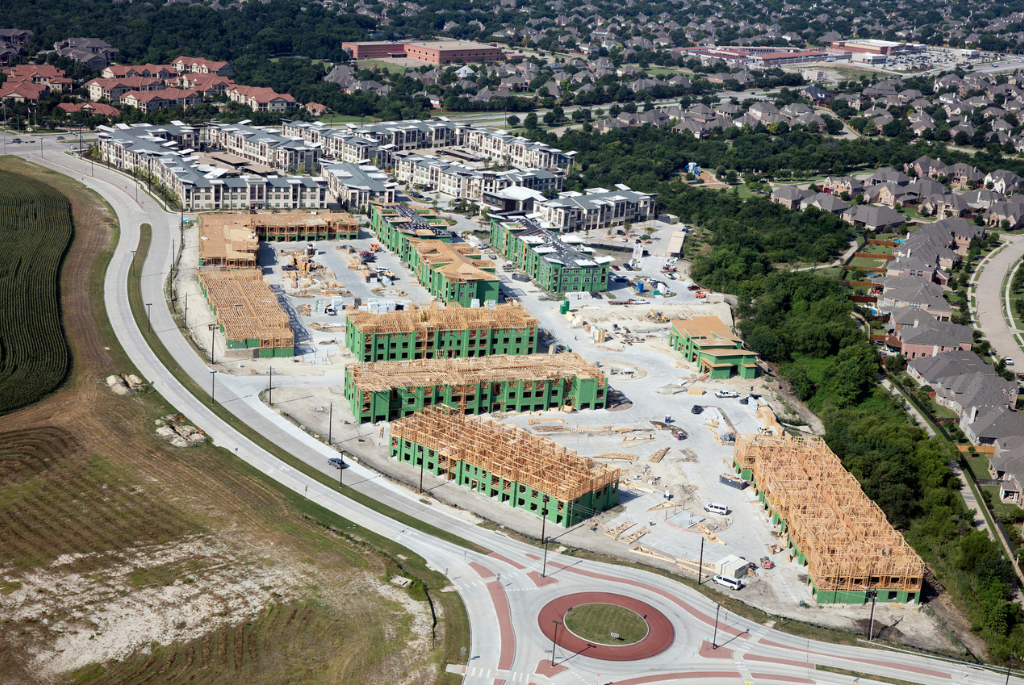
The push toward sustainability is changing how builders design, build and manage residential construction projects. All over the country, home builders and developers are finding that environmentally conscious practices are good for both the planet and for business. Multifamily housing projects, in particular, offer an ideal platform for applying green construction methods at scale. By prioritizing sustainability, your company can reduce operating costs, appeal to eco-conscious buyers and renters, and future-proof its developments in an increasingly competitive market.
As the demand for energy-efficient, low-impact housing grows, the construction industry is responding with innovative solutions. From smart technology to sustainable sourcing, today’s multifamily projects prove how green practices can enhance both livability and long-term value.
The rise of sustainable construction in multifamily housing
Over the past decade, sustainability has changed from a buzzword to a core building strategy. Green construction not only aligns with environmental goals but also delivers measurable financial returns. In the multifamily sector, sustainability allows you to spread the benefits of efficient systems, like insulation, HVAC upgrades and renewable energy, across multiple units to maximize cost savings and environmental impact.
Government incentives accelerate this transition. Programs promoting LEED certification and ENERGY STAR compliance, for instance, reward developers for incorporating sustainable materials and energy-efficient systems. As renters and buyers continue to prioritize greener living, sustainable multifamily developments have become a key driver of growth in residential construction.
Energy-efficient design and smart technology
Energy efficiency is a critical part of sustainable building. Multifamily housing projects can significantly reduce energy consumption through thoughtful design and modern technology. Builders are now incorporating high-performance insulation, triple-pane windows and energy-efficient HVAC systems that maintain comfortable temperatures with less energy use.
Smart home technology further enhances efficiency. Systems like programmable thermostats, motion-sensitive lighting and real-time energy monitoring help residents reduce waste and lower utility bills. On a larger scale, these technologies allow property managers to track and optimize energy performance across entire communities. Combined with renewable power sources, such as solar panels, these solutions contribute to a greener, more cost-effective living environment.
Using eco-friendly materials and sustainable sourcing
Sustainable construction begins with what goes into the building itself. Eco-friendly materials, including recycled steel, bamboo flooring, reclaimed wood and low-VOC paints, are increasingly popular for their durability and minimal environmental impact. Using these materials in your multifamily housing projects improves indoor air quality and supports a healthier living experience for future residents.
Builders are also paying closer attention to how materials are sourced. When your company works with local suppliers, it reduces transportation-related emissions and supports the regional economy. Certifications like LEED and GreenGuard provide benchmarks for material sustainability, helping you ensure that your projects meet industry standards. The result is a structure that’s not just built to last but also built responsibly.
Water conservation and waste reduction
Sustainability extends beyond energy and materials. It also includes how your business manages water and waste. Multifamily projects that incorporate water-saving technologies, such as low-flow toilets and faucets, graywater recycling systems, and drought-tolerant landscaping, can reduce overall water consumption dramatically. In regions facing water shortages, these strategies have become essential for compliance and community well-being.
On construction sites, waste reduction is another key focus. Builders are increasingly recycling concrete, metal and drywall or repurposing materials for future use. Some firms even design for disassembly by creating structures that can be more easily modified or reused down the line. These waste-conscious practices reduce landfill contributions and minimize the project’s carbon footprint to align with the broader goal of sustainable urban growth.
Long-term value and market appeal
Sustainable building practices do more than just help the environment. They add measurable value to properties. Energy-efficient systems and durable materials lower maintenance and utility costs, providing a strong return on investment over time. As a developer, that means you can enjoy higher tenant retention, better resale value and improved reputation within the market.
From a consumer perspective, sustainability has become a major selling point. Today’s buyers and renters want homes that reflect their environmental values while offering modern comfort and efficiency. Green buildings often attract higher occupancy rates and command premium pricing, positioning them as a smart investment in both the short and long term.
Achieve success with sustainability
The shift toward sustainable building practices marks a defining moment for the residential construction industry. As a multifamily housing developer, you are uniquely positioned to lead this movement in your community. You can integrate energy efficiency, smart technology and eco-friendly materials into scalable, profitable designs. These projects meet the needs of today’s market while also setting new standards for the future of housing.
By adopting sustainable construction practices, you can do more than reduce your environmental footprint. These practices enhance community resilience, improve residents’ quality of life and strengthen long-term economic viability. As demand for greener living continues to grow, sustainability will remain a key to success in multifamily housing projects.