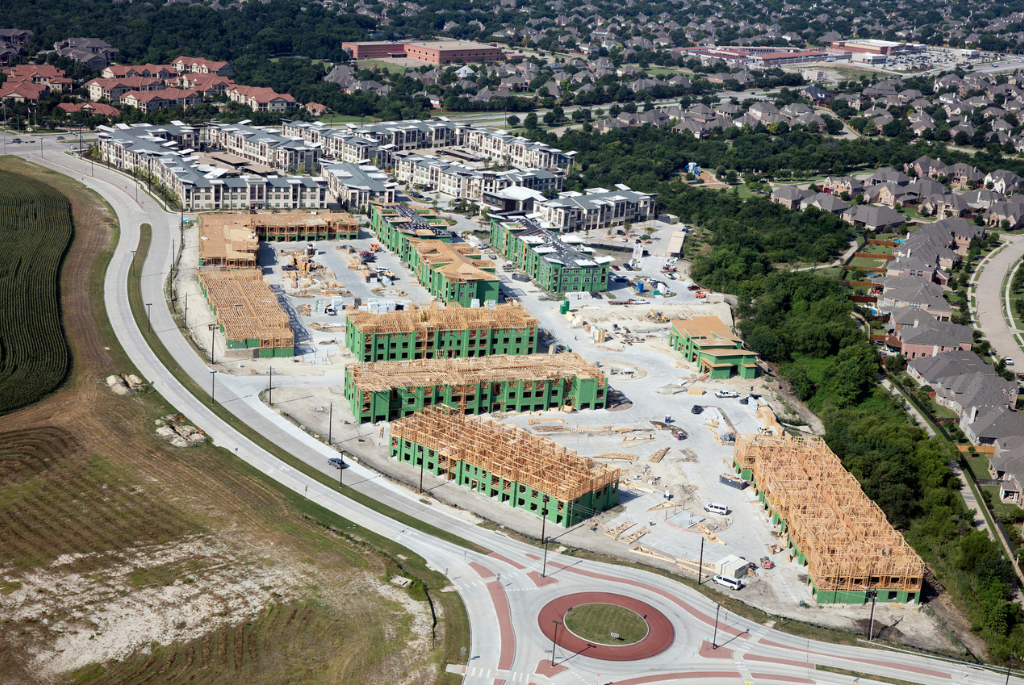
Even in a fluctuating real estate market, investors continue to show strong interest in multifamily housing projects. Apartments, condominiums and other high-density residential projects offer a combination of stability, attractive returns and long-term growth potential that few other asset classes can match. As demand for rental housing rises across both urban and suburban markets, multifamily properties remain a go-to choice when you’re seeking reliable income and long-term appreciation.
Beyond financial returns, multifamily housing is also a strategic tool for addressing broader housing needs in communities. With population growth, migration trends and shifts in household formation, multifamily developments meet both investor and societal demands. Learn why investors are still betting on multifamily housing, the financial and strategic benefits these projects offer, and the trends shaping the market today.
Stability and resilience in the housing market
One of the key reasons multifamily properties are attractive is their resilience. Even during economic downturns, rental demand tends to stay strong and provide you with steady cash flow. Unlike single-family homes or some commercial real estate, multifamily developments spread the risk across multiple units. This means that vacancies in one or two units have less impact on your overall income.
Urban and suburban areas both show high and growing demand for rental housing. Historical data shows that multifamily investments often outperform other real estate sectors during volatile market periods. Government incentives for affordable and high-density housing can add another layer of stability, making multifamily properties particularly appealing if you’re looking for secure, long-term returns in an uncertain economy.
Attractive returns for investors
Multifamily housing projects offer compelling financial benefits. Rental income from multiple units creates diversified cash flow and reduces risk while generating consistent monthly revenue. Occupancy rates in well-located urban and suburban projects often exceed those in single-family rental markets, further enhancing your returns.
Long-term appreciation potential is another advantage. As populations grow and housing demand increases, well-positioned multifamily developments gain value over time. By following multifamily construction trends, you can identify high-demand areas and strategically invest in properties that maximize both income and equity growth. Additionally, value-add opportunities, such as upgraded interiors or additional amenities, can further boost returns and property valuation.
Growing demand for rental housing
Demographic shifts are fueling the ongoing appeal of multifamily housing. Millennials, young professionals and downsizing baby boomers are increasingly seeking rental options that offer convenience, amenities and access to urban centers. Remote work trends are also expanding demand in suburban areas, where renters look for space and quality of life while staying relatively near employment hubs.
Regional population growth is driving opportunities in both cities and suburban communities. Understanding the differences between urban and suburban rental markets allows you to tailor your strategies whether you’re targeting high-density city apartments or suburban multifamily complexes. High-demand regions often exhibit lower vacancy rates and faster absorption of new units, creating attractive conditions for both short- and long-term investors.
Benefits for developers and investors
Multifamily developments offer significant advantages for both builders and investors. High-density projects make efficient use of land, allowing developers to scale projects while maximizing units per site. Multiple rental streams reduce financial risk, providing stability even if some units experience turnover.
Incorporating modern features and smart home innovations into multifamily properties further attracts tenants and increases marketability. From energy-efficient appliances to connected home technology, these enhancements align with residential construction trends and modern lifestyle expectations. Thoughtful amenities, like co-working spaces, fitness centers and communal areas, can further boost appeal, occupancy and rental rates, enhancing your returns.
Challenges and considerations
Despite their advantages, multifamily projects come with challenges. Zoning and regulatory hurdles can slow development, particularly in urban areas with limited land available. Rising construction costs and material shortages impact project budgets while competition among developers can pressure your project returns.
You must also balance affordability with high-end amenities to meet tenant expectations and be competitive in the market. Careful planning, market analysis and community engagement are critical to ensure projects succeed both financially and socially. Strategic location choice and timing of development can also significantly affect profitability.
Future outlook for multifamily investments
The outlook for multifamily housing is still promising. Demand continues to grow, driven by population trends, lifestyle shifts and urbanization. You can explore suburban expansions, where larger plots and more flexible design options create new opportunities.
Emerging trends, such as sustainable construction, mixed-use developments and smart technology integration, are shaping the next generation of multifamily properties. By staying informed on housing market trends and strategically planning investments, you can continue to leverage multifamily housing as a reliable and profitable asset class.
Keep these things in mind
Multifamily housing remains a top choice when you’re seeking stability, attractive returns and long-term growth. Its resilience in fluctuating markets, ability to generate diversified rental income and alignment with residential construction trends make it a strategic asset for portfolios. As a builder, incorporating modern home features and smart home innovations into multifamily projects enhances market appeal and tenant satisfaction. As demand for rental housing continues to rise, multifamily properties will remain a key component of successful investment strategies in the residential construction sector.