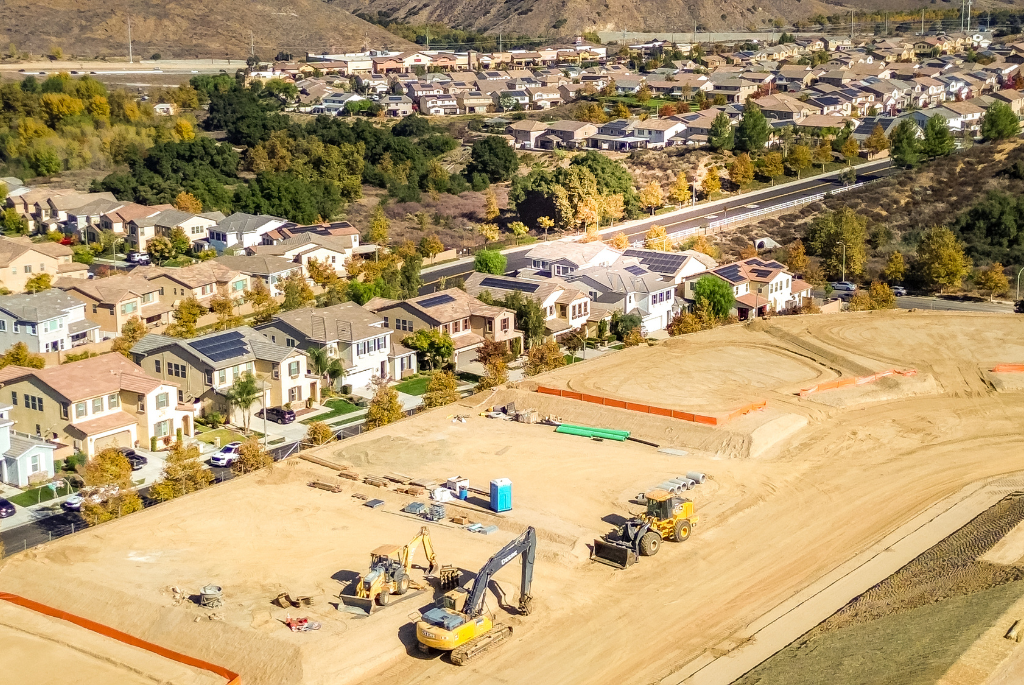
Blueprints and financing both play a big role in how successful multifamily projects turn out, but so do zoning laws. In fact, zoning regulations, permitting processes, and legal risks have a direct impact on what can be built, where you can build it, and how long it takes to complete construction and secure final occupancy permits. Even though these rules are in place to protect community standards and regulate urban density, many builders look at them as barriers to project profitability. That’s why it’s so important to understand local zoning and permit rules before you commit to a land purchase.
Zoning laws define what’s even possible
Zoning requirements dictate what a piece of land can be used for, such as commercial, industrial, or multifamily projects. These requirements are set in place by local governments.
Builders must familiarize themselves with zoning laws because they aren’t universal. Many municipalities update their codes over time, allowing for multifamily projects in zones where they weren’t previously permitted. This is very common in cities where the goal is to increase population density.
Changes to local land-use policies frequently open doors to developers by giving them access to underutilized urban parcels. With this in mind, if your target market doesn’t allow for high-density residential builds, you should check zoning requirements in cities located just a few miles away. You may find that a neighboring municipality provides all the regulatory flexibility you need to complete your multifamily project.
When you don’t approach your multifamily development with a clear understanding of local zoning requirements, you may run into rules that result in significant delays:
- Density limits: You may need to go back to your design plans and reduce the number of units to comply with local density caps.
- Land use designation: If the lot doesn’t allow for the development of multifamily housing, you’ll have to pursue rezoning or a variance, which can add months to the approval timeline.
- Height restrictions: Additional review cycles are often required when the original building plans exceed maximum height limits.
- Setback requirements: Having to keep the structure so many feet from property lines can shrink buildable space, often triggering site plan revisions or resubmissions for approval.
- Lot coverage limits: Only so much of the lot you purchased can be used for building, so you may need to redesign the site layout to accommodate local lot coverage limits.
- Parking requirements: All multifamily developments come with strict parking requirements; you may have to redesign the layout or add structured parking to make sure each unit has the correct number of parking spots.
- Floor area ratio (FAR): These restrictions are in place to control overall building size relative to the lot, which may lead to having to revise your plans to reduce gross floor area.
- Open space requirements: How much of the lot must include green space often reduces how much land you can use for buildable square footage, which can lead to multiple design adjustments and longer approvals.
- Building design standards: Many multifamily projects require vertical offsets, recessed entryways, or balcony integrations. Having to overhaul your drawings to include these features in your design plans almost always includes having to go through extra approval steps as well.
- Inclusionary zoning: If your city’s affordable housing requirements don’t line up with your financing, you might not be able to move forward as planned.
The validity of zoning ordinances was established in 1926 according to Village of Euclid v. Ambler Realty Co., a landmark U.S. Supreme Court case that affirmed the constitutional right of municipalities to regulate land use through zoning.
Planning around local regulations, not fighting them
High parking minimums and strict density limits are some of the biggest zoning issues that developers run into with multifamily building projects. These setbacks are easily avoidable if you familiarize yourself with local land-use codes before purchasing a lot or submitting formal architectural plans.
The smartest way to kick off your multifamily development with confidence is to schedule an early meeting with the local planning authority. This gives you the chance to go over all zoning requirements and learn about any restrictions that you weren’t aware of. You can use what you learn to make adjustments to your plans before you submit any applications for approval.
Source: