3D printing in construction is no longer just a futuristic idea. It’s rapidly becoming a practical solution for single-family home construction, allowing builders to explore new levels of efficiency and creativity. With large-scale printers capable of creating walls, structures and even entire home components, this technology is transforming how homes are designed and built. For builders, understanding how 3D printing works and its potential applications can open up opportunities to reduce costs, save time and offer unique, innovative homes that stand out in a competitive market.
What is 3D printing in construction?
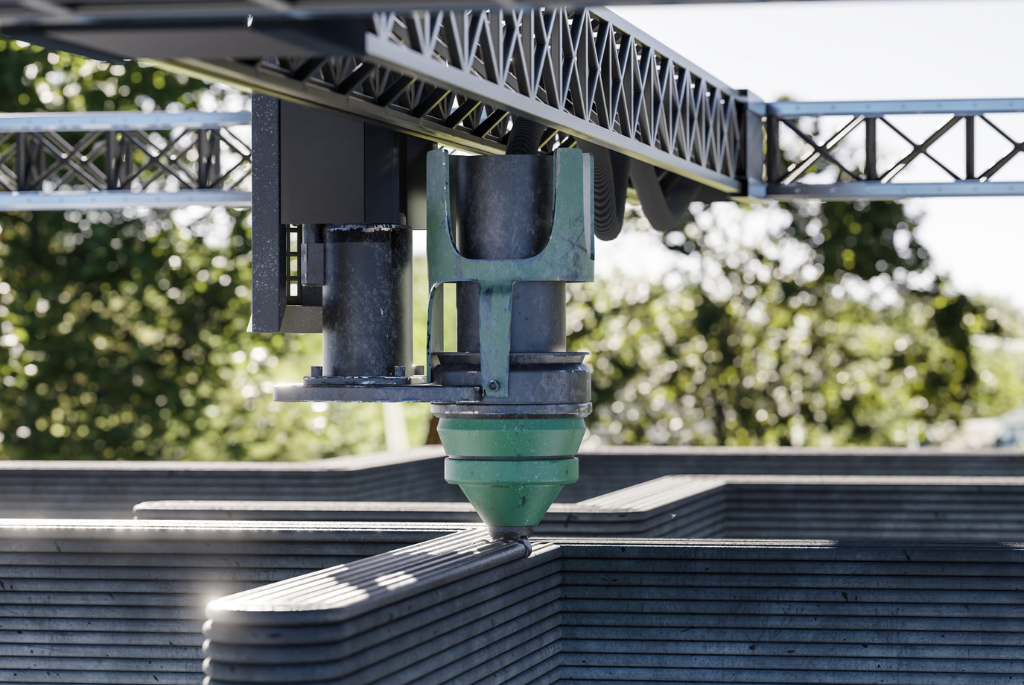
3D printing in construction uses large-scale printers to produce building components layer by layer from materials such as concrete, composite mixes or recycled plastics. Instead of relying solely on traditional methods like wood framing or masonry, builders can program printers to produce precise structures quickly and consistently. The technology allows complex geometries and custom designs that are difficult or costly to achieve with conventional techniques. By reducing the need for manual labor and minimizing material waste, 3D printing in construction offers both efficiency and flexibility, setting the stage for more innovative home construction plans.
How 3D printing is changing single-family home construction
The way 3D printing is changing single-family home construction is already visible in several pilot projects around the world. Builders are using this technology to produce walls, structural supports and even entire small homes with remarkable speed. A single home can be partially printed in a matter of days, compared with weeks or months using traditional methods. Beyond speed, 3D printing allows cost savings by reducing labor and material needs. Design flexibility is another significant advantage, allowing builders to create custom layouts, curved walls or intricate details without incurring a large expense. For homebuilders looking to differentiate their offerings, 3D printing provides a tangible edge in both productivity and creativity.
Benefits of 3D printing for homebuilders
The benefits of 3D printing for homebuilders extend across cost, design and sustainability. Labor requirements are significantly lower since much of the structural work is automated. Material waste is minimized because printers use only the precise amount needed for each layer. Project timelines are shorter, allowing you to take on more projects. The technology also encourages innovative home construction designs from unique facades to optimized layouts that improve energy efficiency. Many 3D printing materials are environmentally friendly, helping builders reduce their carbon footprint. Overall, the combination of speed, cost savings and design freedom makes 3D printing a valuable tool for modern single-family home construction.
Challenges and considerations for builders
Despite its promise, 3D printing for homebuilders comes with practical challenges. Equipment costs remain high, and finding trained personnel to operate large-scale printers can be hard. Regulatory approval and local permitting processes may lag behind the technology, requiring careful navigation. You must also consider material availability and the structural limitations of specific printing methods. Builders need to determine whether 3D printing fits their particular projects, budgets and timelines. When you understand these challenges, you can make informed decisions about integrating this technology while maximizing its benefits for innovative home construction.
Hybrid construction methods
Builders also have the opportunity to experiment with hybrid construction methods that combine traditional techniques with 3D printing. For example, printers can create the structural framework of a home while conventional methods are used for plumbing, electrical systems and finishing touches. With this approach, you can use both technologies to improve efficiency without sacrificing quality. It also provides flexibility for builders working on projects with unique design requirements or client preferences.
Collaboration and innovation
Collaboration and innovation are becoming increasingly important as 3D printing evolves in the construction industry. Builders, architects and material scientists are working together to develop stronger, more versatile printing materials and techniques. Staying informed about these developments can help you anticipate trends and implement solutions that improve project outcomes. Embracing continuous learning and experimentation allows your business to remain competitive and deliver homes that meet both modern standards and homeowner expectations.
The future of homebuilding with 3D printing
The future of homebuilding with 3D printing offers even greater opportunities for efficiency, customization and affordability. Advances in multi-material printing and fully automated 3D construction sites promise faster, more versatile projects. As the technology matures, single-family home construction could see widespread adoption of printed components, reducing costs and construction times while offering highly personalized designs for homeowners. Builders who embrace these innovations early may position themselves as leaders in a rapidly evolving industry. For homebuyers, this could mean more sustainable, cost-effective and architecturally unique options, changing expectations for what a modern home can be.
Building tomorrow, today
3D printing in single-family home construction represents a significant shift in how we approach building. The technology offers clear benefits for homebuilders, including reduced labor and materials costs, enhanced design options and sustainability advantages. While challenges remain, early adoption can position your business at the forefront of innovative home construction. By understanding how 3D printing works and considering its applications in your projects, you can embrace the future of homebuilding and deliver homes that combine efficiency, quality and creativity in ways previously thought impossible.