Across the multifamily sector, one trend is gaining momentum faster than most of us anticipated. Co-working spaces are shifting from optional amenities to expected features as residents settle into long-term hybrid work routines. In a recent survey from the National Multifamily Housing Council (NMHC), nearly half of respondents (48%) said they were interested in shared workspaces. Communities that offer dedicated places to work are rising to the top of competitive markets.
At TheHomeMag Exchange Events, we often hear from builders that amenity planning looks different from how it did even a few years ago. Co-working areas keep coming up because they solve real challenges residents face and create clear benefits for projects. Plus, they add value without requiring major changes to overall design.
Why co-working spaces are becoming essential
Hybrid work has become a steady part of daily life. Renters want the flexibility to work from home, yet they also want an environment that helps them stay focused. In-unit desks help, but they do not provide the same separation or structure as a dedicated co-working room.
You may have noticed more prospects asking questions about the practicality of your common areas. Not just “What amenities do you offer?” but “Can I actually work here?” A thoughtfully designed co-working area answers that question immediately and can help your development stand out from competitors that still rely on traditional social lounges or oversized clubhouses.
Co-working spaces may help units sell or lease faster. When prospective residents can clearly envision their daily routine inside the building, it builds confidence and encourages signing on the dotted line.
How builders are rethinking shared spaces
Many communities were built around multipurpose areas that tried to serve every activity at once. Today, builders are moving toward specialized environments that support specific needs. That shift has led to smaller, more intentional zones that residents can use throughout the day rather than one large room that sits underutilized.
Here are some of the design changes becoming more common:
- Small private rooms for focused work
- Quiet areas with seating designed for video calls
- Larger tables for collaborative projects
- Individual nooks for casual laptop time
- Computer bars with built-in outlets and strong Wi-Fi
This shift is also influencing supplier relationships. Builders are asking for more acoustic materials, modular dividers, ergonomic furniture, durable finishes, and technology-ready components. Strong Wi-Fi coverage and accessible power placement is an absolute necessity.
Design features that elevate co-working environments
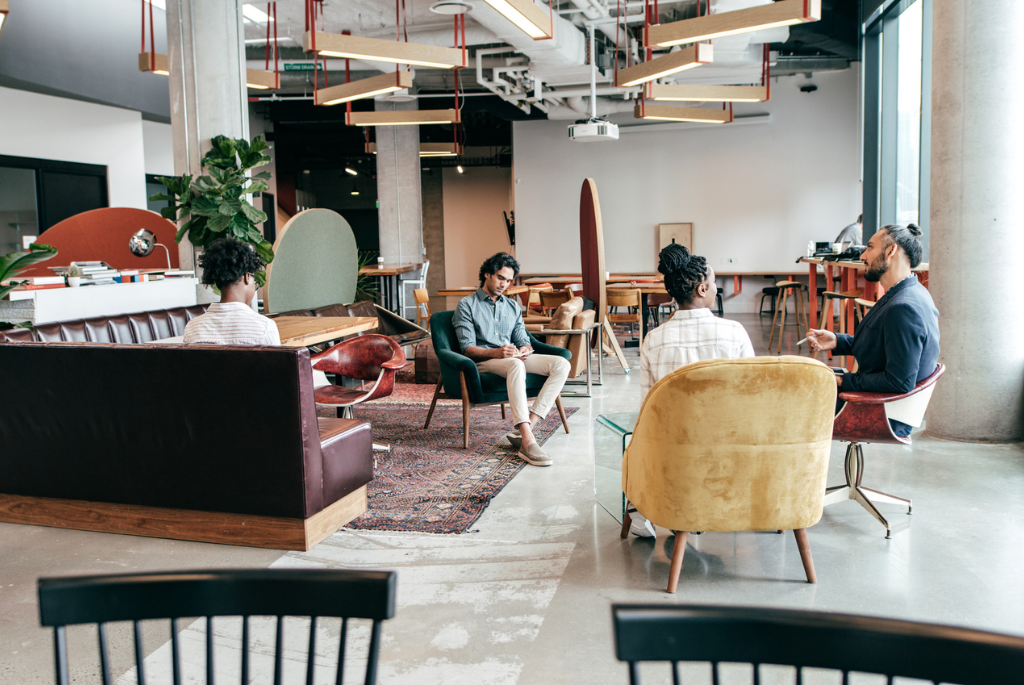
Residents use these spaces differently than a clubhouse or fitness room, so comfort and durability matter. The more inviting the space feels, the more often residents will return to it. Builders are approaching co-working rooms like they would any high-traffic amenity by focusing on materials, layout, and user experience.
Some of the most effective design features include:
- Comfortable ergonomic seating
- Sound-dampening panels
- Ample power access and charging options
- Defined quiet zones
- Collaborative spaces
- Natural materials, greenery, and warm lighting
- Small meeting rooms with built-in displays
Some builders are adding outdoor co-working spaces. A shaded courtyard or covered patio with reliable Wi-Fi gives residents another productive option and adds variety to the community. Even a small, well-planned outdoor setup can elevate the overall experience.
How co-working spaces benefit builders and developers
A well-designed co-working space does more than meet resident expectations. It supports daily routines, which often leads to stronger satisfaction and better long-term retention. When residents use an amenity consistently, it becomes part of their lifestyle and a reason to stay.
Builders also see co-working spaces as a way to increase perceived value, especially in competitive markets. These rooms help your development stand apart from projects that still prioritize older amenities. The versatility of co-working design also makes it easier to scale. Whether you are working with a compact footprint or a larger building, the space can be tailored to fit your needs without dramatic construction changes.
What to consider when planning these spaces
Integrating co-working areas early in the planning process usually results in better layouts and smoother workflows. As you consider how these spaces fit into your next project, it can help to think about:
- The type of residents you expect to attract
- Which underused areas could be reimagined for workspaces
- Products that balance comfort and durability
- The direction of natural light throughout the day
- How residents will move through the space during peak hours
Many suppliers we meet at THM – Exchange Events are introducing new product lines designed specifically for these environments. Powered furniture, acoustic pods, flexible dividers, and workstation-ready partitions are becoming more widely available. Bringing these partners into early discussions can open up possibilities you may not have considered.
The growing expectation of flexible workspaces
Co-working areas are no longer bonus features for multi-family projects. They are quickly becoming baseline expectations for residents who work remotely in some capacity. This shift is influencing everything from amenity strategy to overall community positioning.
Looking ahead to the next phase of multi-family design
Co-working spaces highlight a broader shift in how residents live, interact, and prioritize their daily routines. By offering functional and comfortable work environments, you can create communities that feel modern, adaptable, and thoughtfully designed.