Builders face increasing pressure to deliver high-quality homes faster, more efficiently, and with fewer resources. Labor shortages challenge production timelines while fluctuating material costs make planning difficult. At the same time, buyers expect shorter build times and consistent craftsmanship. In response, more builders are turning to modular components as a practical way to simplify construction workflows. These pre-engineered systems are changing how builders procure materials and deliver them to, and install them on, residential job sites. As a builder, modular solutions offer you a strategic advantage in managing logistics and improving overall project performance.
The rise of modular components in residential construction
In recent years, modular components have gained traction because they can reduce costs and waste while improving quality control. Studies report up to a 50% reduction in construction time and significant decreases in material waste compared with traditional construction methods.
Modular components have gained significant momentum in recent years as builders look for ways to increase predictability and reduce job site complexity. From fully assembled kitchen and closet systems to wall panels, trusses, and pre-cut framing packages, modular offerings reduce the amount of field labor required.
Unlike traditional construction, modular systems arrive on-site as complete assemblies. This reduces variability, limits ordering mistakes, and results in fewer delays. With more work completed off-site in controlled environments, quality assurance improves, and rework is minimized to keep projects on schedule.
Simplified procurement and inventory management
Modular components offer a streamlined procurement process. Instead of ordering numerous individual line items, you can select predefined assemblies that include everything needed for installation. This drastically cuts down on purchasing errors and reduces the need for back-and-forth communication with suppliers.
Digital tools also improve accuracy. Many suppliers now provide online configurators and virtual catalogs that allow you to select sizes, finishes, and configurations quickly and confidently. These systems ensure that orders are precise and reduce the chance of oversights that could halt production.
With modular solutions, you also benefit from reduced on-site inventory requirements. Because assemblies can be delivered “just in time,” job sites remain safer and more organized. There’s less risk of materials being damaged or stolen, and crews spend less time moving or storing bulky products. The result is a cleaner, more efficient work environment with fewer logistical headaches.
Faster, more predictable installations
Modular components can significantly compress installation schedules. Because each piece is pre-measured and pre-assembled, crews no longer need to spend excessive time cutting, adjusting, or modifying materials in the field. For example, modular kitchen systems can be installed in a fraction of the time required for traditional cabinet builds, and closet systems can be snapped into place almost immediately.
This helps you meet tighter timelines and reduces dependence on specialized trades. Instead of needing highly skilled carpenters for every stage, modular solutions allow trained crews to complete tasks with minimal risk of error. This flexibility is especially beneficial during peak building seasons when subcontractor availability is limited.
Enhanced coordination between builders and suppliers
Adopting modular systems naturally strengthens coordination between builders and suppliers. Because components are manufactured off-site, you must communicate specifications earlier and more clearly. This leads to improved project planning and more accurate forecasting on the supplier side.
Suppliers can also standardize their production schedules when builders adopt modular products, creating more predictable lead times and reducing bottlenecks in the manufacturing process. Additionally, modular workflows foster closer long-term partnerships. Suppliers often become involved in the design phase, helping you select configurations that optimize installation or reduce waste.
Real-world applications and success stories
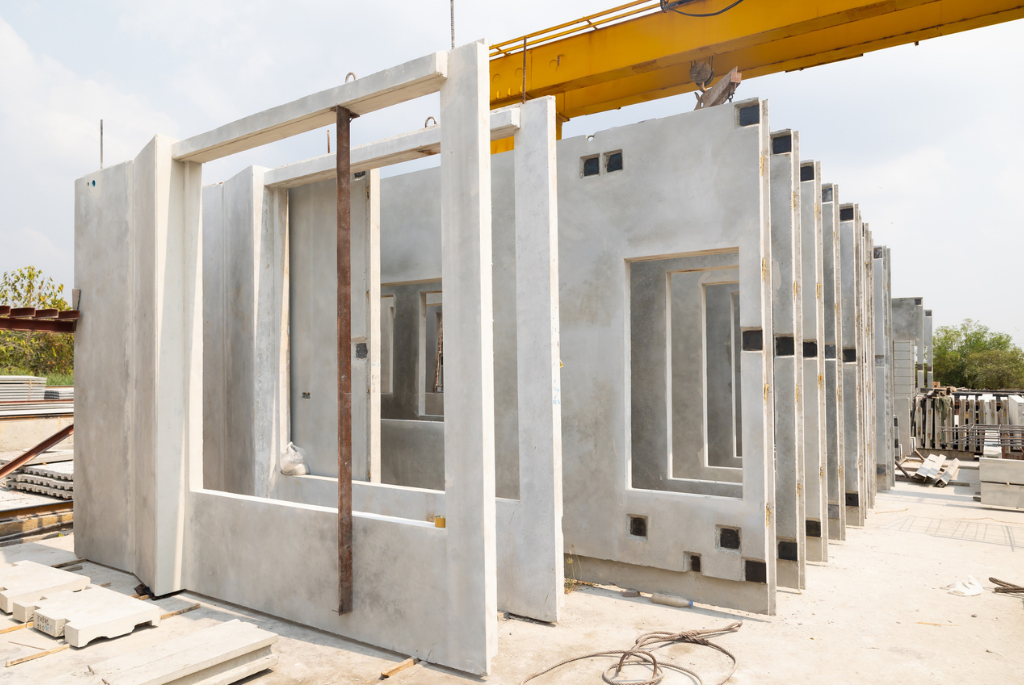
Modular components have found strong traction among multifamily developers who must adhere to aggressive timelines. For these builders, prebuilt wall panels, modular casework, and ready-to-install assemblies significantly reduce the time needed to complete individual units. Faster unit turnover helps developers maintain profitability and avoid costly overruns.
Single-family builders, particularly those producing at scale, also benefit from modular adoption. By standardizing kitchens, closets, and organizational systems, builders can eliminate bottlenecks caused by material shortages or labor delays. This is especially important in high-volume communities, where one delayed home can cause ripples throughout the build cycle.
Challenges and considerations for adoption
While modular components offer substantial advantages, successful adoption requires thoughtful planning. You must commit early to design decisions and ensure that your teams and trade partners understand modular workflows. In many cases, suppliers will require detailed measurements and plans before manufacturing begins.
Selecting the right supplier is also critical. You should evaluate manufacturing capacity, product compatibility, and lead times to ensure the partnership will support their production goals. While modular components simplify many aspects of construction, alignment between builder and supplier is essential to reap the full benefits.
Moving forward with modular solutions
Modular components offer you a reliable pathway to faster project timelines, reduced waste, and more predictable workflows. By simplifying procurement, improving job site organization, and enhancing installation efficiency, modular systems address some of the industry’s most pressing challenges. As more builders and developers embrace these solutions, modular adoption is becoming less of a trend and more of a strategic shift in how homes are designed, sourced, and built. For forward-thinking construction leaders, modular components offer a clear advantage in meeting both today’s demands and tomorrow’s opportunities.