Multifamily developers have several ways to reduce construction costs, but the cheapest option isn’t always the best choice. Switching to a lower-cost material or specification can keep a project within budget. However, that switch becomes less appealing if durability, maintenance or leasing problems occur later.
Value engineering is most useful when the savings are selective, but this goes beyond asking what can be cut. Developers need to determine which features to keep based on the project, market and resident expectations. Some of the more effective multifamily value engineering strategies focus on changes residents are less likely to notice. This lets developers keep specifications that affect building performance and the resident experience.
According to the National Association of Home Builders’ (NAHB) 2026 research, multifamily developers continue to face higher construction costs, financing challenges and regulatory barriers. NAHB’s research also shows that conditions vary by multifamily segment. For instance, garden and low-rise projects are performing differently from mid- and high-rise projects.
There’s more pressure to manage construction costs, but multifamily projects aren’t operating under the same conditions. Therefore, developers should research priorities by market, renter profile, asset type and project budget.
What multifamily developers value-engineer
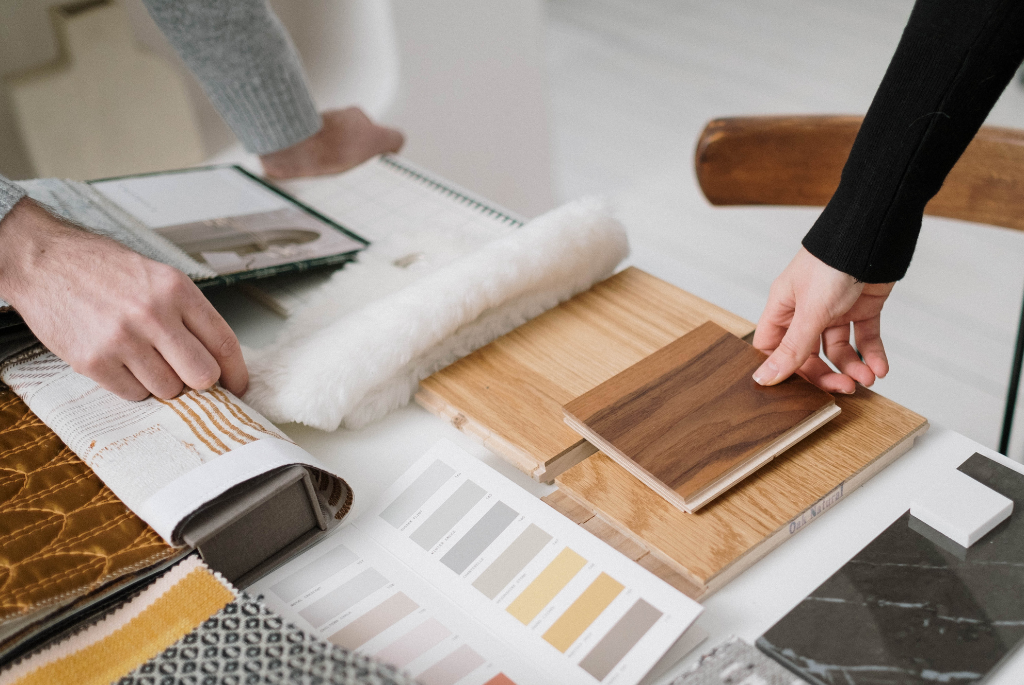
Developers can find savings by adjusting specifications that have less impact on the resident experience. Materials, finishes and fixtures provide opportunities to reduce costs without affecting the project’s needs.
One example is flooring, which developers can evaluate based on installation costs, durability and maintenance. Luxury vinyl plank is ideal for many multifamily buildings because it’s resilient, low maintenance and cost-effective.
When it’s time to choose cabinets and countertops, developers can compare materials, finishes and product tiers. They should research these factors based on local conditions. A less expensive option may work in one market but look awkward in another.
Another area for adjustment is appliances and fixtures. It’s possible to substitute product models, features and finishes without losing their basic function.
Multifamily developers can also find savings in common areas, such as lobbies, hallways and clubhouses. For example, developers can replace real premium hardwood with luxury vinyl tile to reduce costs without sacrificing durability and low maintenance.
The goal isn’t to choose the cheapest option. A product that costs slightly more is worth the investment if it offers long-term performance.
Make the substitution where it creates the least risk
It’s commonly assumed that a cost-saving selection should be based solely on the up-front price difference. However, the lowest initial cost isn’t always the most effective value engineering decision. It’s essential to measure a potential substitution against:
- Resident expectations
- Availability
- Installation costs
- Installation complexity
- Labor requirements
- Durability
- Maintenance
- Appearance
- Project schedule
- Replacement frequency
Multifamily construction cost-saving strategies should consist of more than just choosing an option because it’s less expensive. A lower-cost product that takes longer to install or requires more maintenance may be less valuable than a slightly more expensive option.
Using standard materials is another way to create savings in a multifamily construction project. If a developer can use fewer product types across a project, procurement, installation, maintenance and replacement may be easier.
What features multifamily developers won’t cut
Developers may be less willing to compromise on certain features that influence safety, structure and resident experience. They often protect these areas because a less-expensive option can affect the building’s performance.
1. Safety and code requirements
Some specifications don’t offer cost-saving opportunities because they can affect health and safety. Depending on the project and local laws, developers must meet the following requirements:
- Fire resistance
- Accessibility
- Ventilation
- Structural performance
- Energy efficiency
It’s up to developers to research the specific building code requirements for each location and property. For example, HUD’s 2024 Multifamily Construction Requirements include fire-resistance and sound-related regulations for certain units.
2. Building envelope and moisture management
Research by the U.S. Department of Energy (DOE) shows how important it is to consider moisture management, air sealing and envelope performance in multifamily buildings.
Cutting corners on multifamily construction specifications like roofing, windows, exterior walls and doors can lead to serious consequences.
3. Resident experience
What residents notice most can vary by market and renter profile, but some features can influence how they view the property. Developers can learn which specifications impact their property’s appeal by researching the local market. Some of these features may include:
- Kitchens
- Bathrooms
- Storage
- Flooring
- Internet/connectivity
- Security/access
- Sound control
- In-unit laundry
According to the National Multifamily Housing Council’s (NMHC) 2022 renter research, high-value apartment features include soundproofing, air conditioning and in-unit laundry.
Protect what the project depends on
Value engineering allows developers to manage multifamily construction costs without trying to save money on every specification. The key is to determine how a potential change may affect the project. It may be worth changing a product, fixture or finish if it still looks and works as expected. Other changes can create future problems through resident dissatisfaction, maintenance or higher operating costs. The goal is to find savings that support the project’s budget while protecting the specifications that are important for performance and the resident experience.
Sources:
1. National Association of Home Builders: Multifamily Developer Confidence Holds Steady in First Quarter
2. U.S Department of Housing & Urban Development: HUD’s Industry-Wide (Multi-Unit) New Construction Requirements
3. U.S. Department of Energy: Efficient New Homes Program, Multifamily Version 2 (Module 1 Training Web Transcript)
4. National Multifamily Housing Council: The Future of Renting (2022 Survey)