Sustainability has become a defining focus of multifamily housing development. Every stage of a building’s life, from design to demolition, releases emissions that contribute to the industry’s overall carbon footprint. By examining the full construction lifecycle, we can identify where and how to make meaningful changes. Reducing multifamily construction carbon emissions isn’t just about meeting environmental standards; it’s about building smarter, more efficient communities that perform better and last longer. The following strategies highlight practical ways to achieve carbon footprint reduction in construction.
Understanding carbon emissions in multifamily construction
Carbon emissions in multifamily construction come from two main sources: embodied and operational carbon. Embodied carbon refers to emissions produced by manufacturing, transporting and assembling materials. Operational carbon includes emissions generated once the building is occupied, through heating, cooling and energy use.
Together, these emissions account for a large portion of a project’s environmental impact. This is why more builders are adopting practices to track and minimize them. Decreasing carbon emissions not only improves compliance with evolving regulations but also strengthens project value. Sustainable projects often attract higher occupancy rates, lower long-term costs and stronger investor interest.
Designing for a low-carbon future
Design is where the largest opportunities for carbon reduction begin. Early decisions can determine up to 80% of a building’s total lifecycle emissions. Prioritizing low-carbon construction techniques at this stage sets the foundation for energy performance and operational savings.
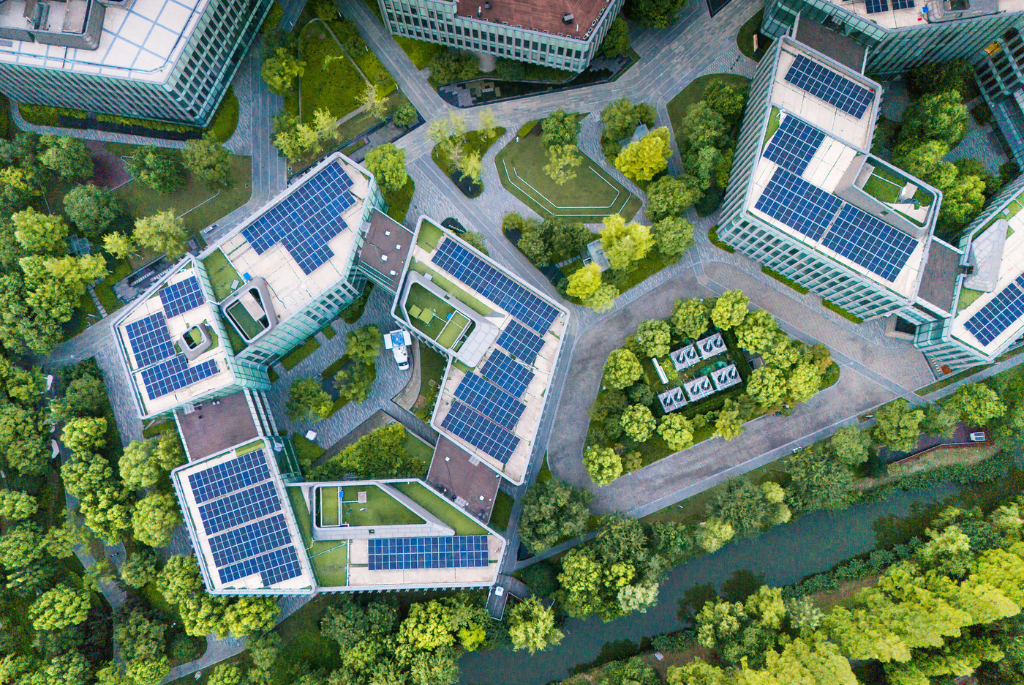
An energy-efficient multifamily design typically includes passive solar layouts that maximize natural light and ventilation, along with high-performance insulation and air sealing to reduce heating and cooling loads. Specifying efficient HVAC and lighting systems can further limit operational carbon. Integrating renewable-ready infrastructure during design, such as rooftop solar connections, helps future-proof properties and makes later upgrades easier and more affordable.
Selecting sustainable construction materials
Material selection plays a crucial role in embodied carbon reduction. Choosing sustainable construction materials can dramatically lower emissions associated with production and transportation. Low-carbon concrete mixes, recycled steel and responsibly sourced timber are all proven options that perform well without compromising durability.
Locally sourced materials can also cut transport-related emissions while supporting regional suppliers. Conducting life-cycle assessments (LCAs) helps teams compare materials based on their total environmental impact rather than just upfront costs. As part of any multifamily housing development, collaborating with suppliers who value transparency and sustainability ensures materials meet both structural and environmental standards. These partnerships are essential to achieving verifiable progress in carbon reduction.
Implementing low-carbon construction techniques on-site
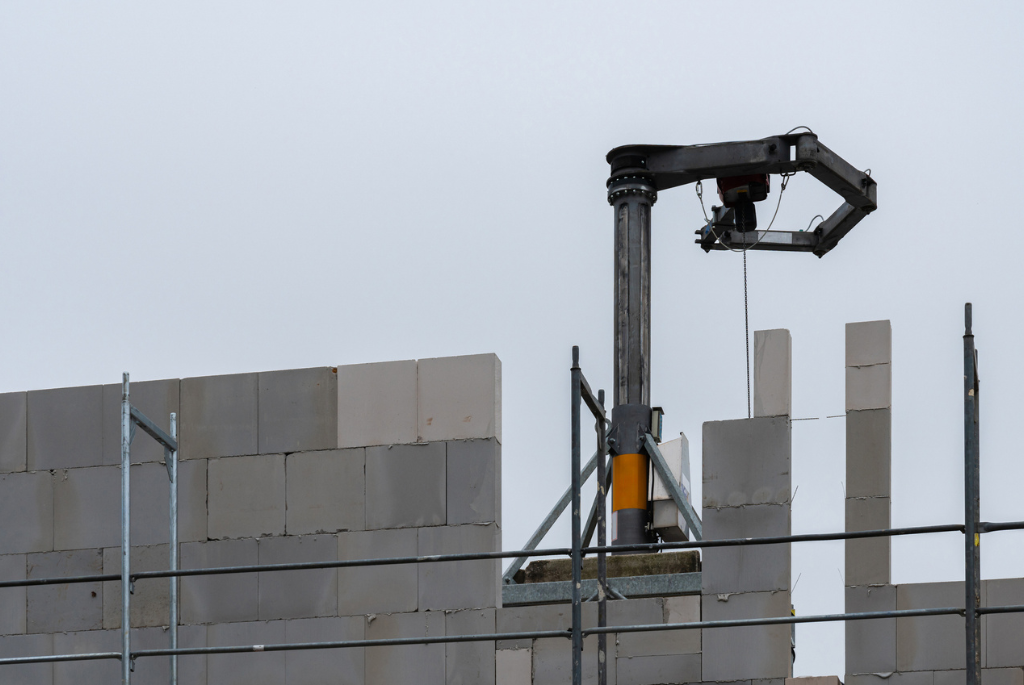
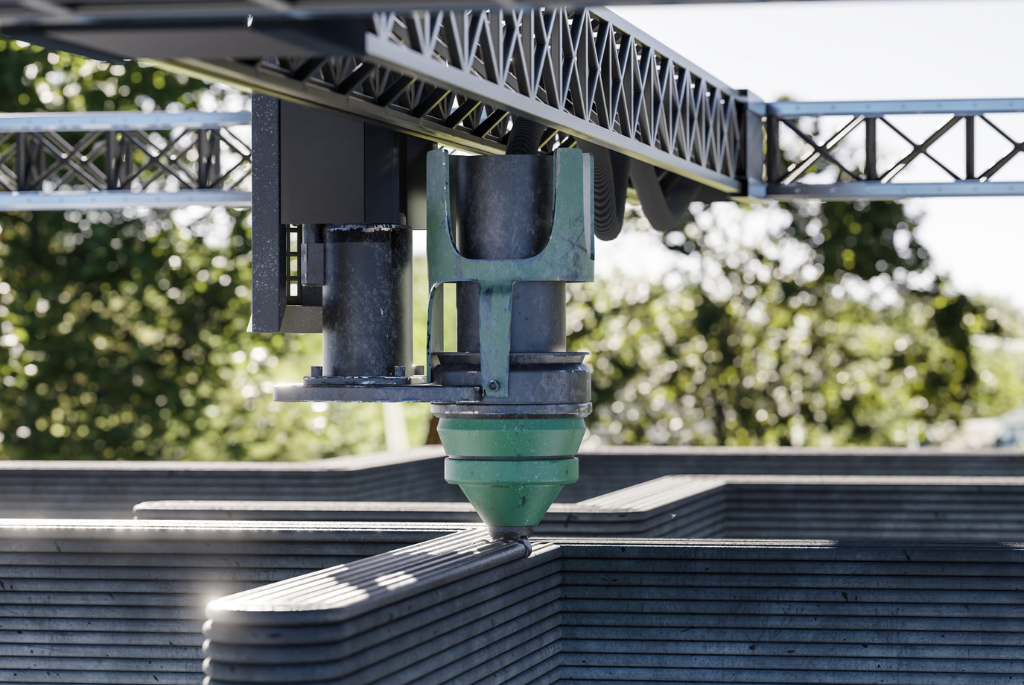
Even the most efficient design and materials can lose impact without thoughtful on-site execution. During the construction phase, teams can use several strategies to reduce emissions and waste. Modular and prefabricated building components minimize on-site labor time and reduce the need for heavy machinery, cutting both fuel use and material waste.
Waste management plans that prioritize recycling and material reuse further support carbon footprint reduction in construction. Modern equipment powered by alternative fuels or electric technology can also lower emissions during daily operations. By tracking performance metrics throughout the build, teams learn more about efficiency gains and opportunities for continued improvement, creating a repeatable model for future projects.
Managing operational efficiency post-construction
Once a building is complete, sustainability efforts shift from construction to operation. Managing energy use effectively is key to maintaining low emissions. Smart building systems that monitor and adjust heating, cooling and lighting in real time can reduce energy consumption without sacrificing comfort.
Integrating renewable energy sources such as solar or geothermal systems supports ongoing emissions reduction and shields properties from fluctuating energy costs. Encouraging residents to participate in sustainable living, such as through recycling programs, energy education and smart appliance use, can further enhance results. Achieving carbon footprint reduction depends on this continued commitment long after the ribbon cutting.
Measuring and tracking carbon performance over time
Accurate data is essential to making progress in sustainability. Tracking multifamily construction carbon emissions throughout a project’s lifecycle allows teams to pinpoint where improvements are most effective. Using digital modeling tools and carbon accounting software, developers can estimate emissions from design to operation and compare results against established benchmarks.
Collecting this data doesn’t just demonstrate accountability, but it also informs smarter decision-making. With consistent tracking, it becomes easier to identify materials, processes or suppliers that deliver the greatest emissions savings. Over time, these insights guide future projects toward even greater efficiency, ensuring sustainability remains a measurable, achievable goal rather than a vague intention.
Collaborating for lasting impact
The effort to lower multifamily construction carbon emissions is a shared responsibility. Developers, builders, architects and suppliers each play a role in advancing strategies for sustainable multifamily development. Collaborating early in the process allows all stakeholders to align goals and share resources effectively.
Working with sustainability consultants and pursuing certifications such as LEED or ENERGY STAR can validate a project’s performance and credibility. These third-party benchmarks encourage consistent improvements and help ensure compliance with emerging carbon regulations. When we make sustainability a standard conversation throughout the supply chain, we can build innovation that benefits both the environment and the bottom line.
Building smarter, cleaner and stronger together
As industry leaders, we have an opportunity to lead this shift. Investing in better design, smarter materials and collaborative partnerships positions multifamily housing development at the forefront of a more sustainable future. Together, we can build communities that stand as models of both innovation and responsibility.