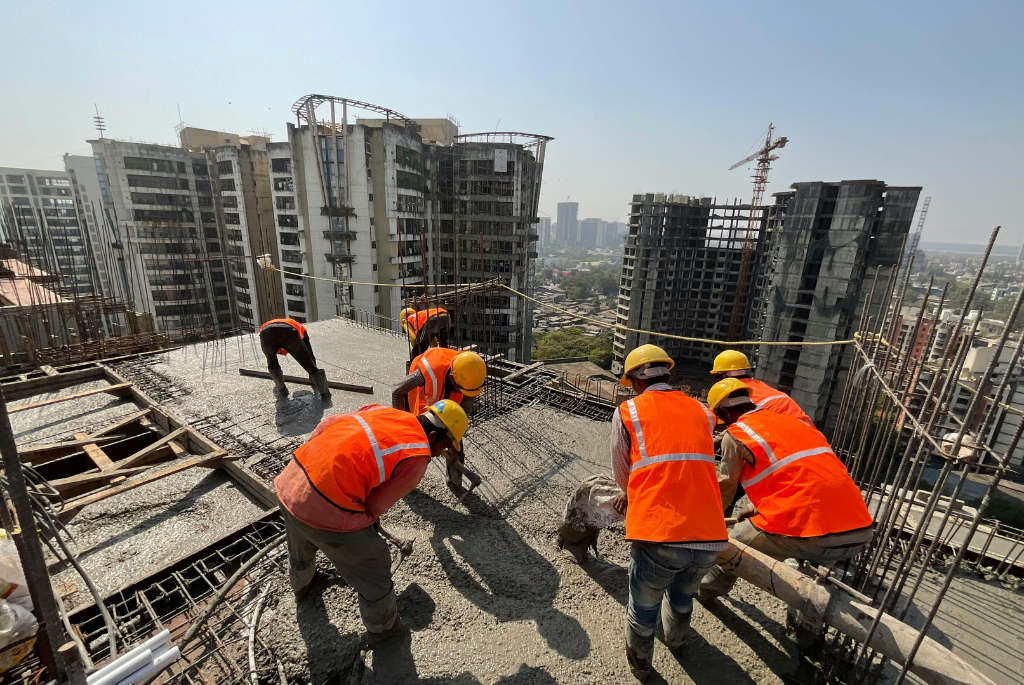
Rising material costs are reshaping multifamily construction
For builders and developers across the country, rising material costs have become one of the most pressing challenges in recent years. What was once considered a temporary issue, tied to global supply chain disruptions, has now become a long-term factor influencing every stage of construction planning. As a multifamily housing builder, these cost increases are reshaping how your projects are designed, financed and delivered. From lumber and steel to concrete and glass, the ripple effects are being felt across the entire construction ecosystem.
What’s driving material price increases?
A combination of global and domestic forces has contributed to the surge in building material costs. Supply chain bottlenecks that began during the pandemic continue to affect availability and shipping timelines. High fuel prices and freight costs have further compounded the issue, while geopolitical instability has disrupted global sourcing for critical materials. Essential items, such as lumber, steel, concrete and copper, have all seen significant price fluctuations, often with little warning.
Labor shortages have also played a role in escalating costs. With fewer skilled workers available, contractors are seeing higher wages and slower project timelines. Add inflationary pressures, tariffs and elevated energy prices, and the result is a construction environment in which predictability is harder to achieve. Even as supply chains begin to stabilize, costs remain well above pre-2020 levels, forcing your company and others to rethink how to plan and execute new builds.
How cost increases impact multifamily construction
For the multifamily housing sector, rising costs have significant implications. You must navigate tighter margins as you balance material prices, labor expenses and financing challenges. In many cases, developers are scaling back projects to stay within budget.
At the same time, higher construction costs are pushing up rents and sale prices, making affordability an even greater concern in growing urban markets. Investors are becoming more cautious, demanding clearer cost projections and return-on-investment models before committing to new projects. As a result, your business might face increasing pressure to find innovative solutions that maintain quality while minimizing financial risk.
Strategies builders are using to manage higher costs
In response to these challenges, many builders and developers are getting creative with cost management. Value engineering, which is the process of evaluating materials and design elements to reduce costs without compromising quality, has become standard practice. You can also explore alternative materials, such as engineered wood, recycled steel or locally sourced components, to help reduce both expense and transportation time.
Turning to prefabricated and modular construction can provide you with a way to gain better control over your project budget and timeline. By manufacturing components off-site, you can reduce waste, minimize weather delays and shorten overall construction cycles. Forming long-term partnerships with suppliers can help you lock in bulk pricing or negotiate early purchasing agreements. Transparent communication with investors and project partners has also become essential for maintaining trust and stability in an unpredictable market.
The role of technology and innovation
Technology is proving to be one of the most powerful tools in managing the impact of rising material costs. Digital modeling and AI-based forecasting tools allow you to analyze material usage, compare suppliers and identify potential savings before breaking ground. Building Information Modeling (BIM) helps your team visualize the full construction process, reducing errors that could lead to costly rework.
In addition, software platforms designed for supply chain management can help your company anticipate shortages and adjust purchasing schedules in real time. Innovations, like 3D printing and drones, are improving accuracy and efficiency at the build site. These technologies help offset the impact of higher prices and position your company to adapt quickly to future market fluctuations.
Long-term outlook for material costs and construction planning
While many experts predict that material prices will eventually stabilize, most agree they are unlikely to return to pre-pandemic levels. The global construction industry is entering a new era in which higher base costs are the norm rather than the exception. As a result, you must now incorporate this reality into your long-term planning and budgeting processes.
At the same time, sustainability and local sourcing are becoming increasingly important. Choosing suppliers closer to the build site can help minimize transportation costs and reduce your carbon footprint. Investing in sustainable materials and green-design strategies that improve energy efficiency and attract eco-conscious tenants can help offset initial costs through long-term value.
Flexibility will be key in the years ahead. Developers who rely on data-driven planning, agile project management and strong supplier relationships will be better equipped to thrive in this new cost environment.
The future of multifamily construction costs
Rising material costs have become a defining challenge in today’s construction environment, reshaping how multifamily projects are conceived and executed. While you can’t control global market forces, you can control how you respond.
By focusing on innovation, collaboration and long-term efficiency, you can continue to deliver high-quality housing that meets the needs of a changing market. If you’re willing to adapt, the current challenges may even present new opportunities to build more sustainably, more intelligently and, ultimately, more resiliently.