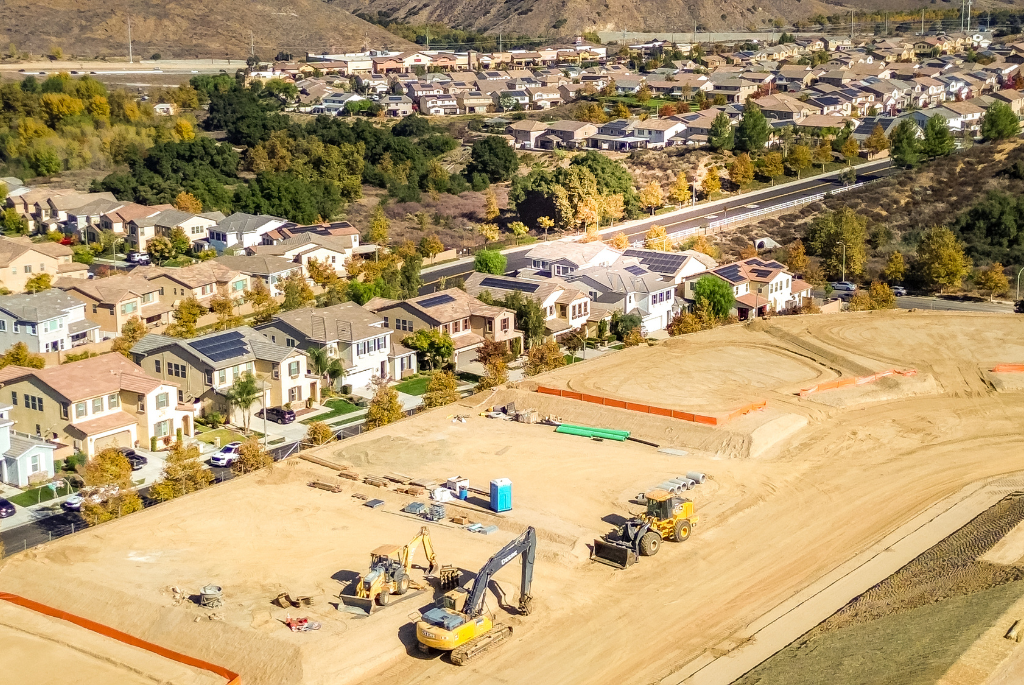
The residential construction industry faces mounting pressure from labor shortages, rising material costs and tighter project timelines. To stay competitive, many builders are turning to robotics to improve efficiency, consistency and safety on job sites. What was once considered futuristic technology is now becoming a practical tool, especially in framing and concrete work. As robotics advances, you can discover real-world applications that deliver measurable results for your business.
The growing role of robotics in residential construction
Robotics is gaining traction in residential construction largely because it addresses some of the industry’s most persistent challenges. You likely have trouble finding skilled labor. Experienced tradespeople are stretched thin across multiple projects. Robotics helps fill these gaps by handling repetitive, time-consuming tasks while allowing skilled workers to focus on supervision, quality control and complex problem-solving.
Unlike traditional automation, modern construction robotics is mobile, adaptable and designed to function in dynamic job site environments. These systems can integrate with digital plans, allowing them to execute tasks with a level of accuracy that is difficult to achieve manually. When you adopt robotics, you are not replacing your workforce. Instead, you can enhance it by using technology to boost productivity and improve outcomes across projects.
How robotics improves framing accuracy and efficiency
Framing is one of the most labor-intensive phases of residential construction. Even small errors can lead to costly rework. Robotics helps builders streamline this process by improving accuracy and reducing waste. Automated layout robots, for example, can precisely mark wall placements, openings and framing details directly from digital blueprints. This reduces measurement errors and ensures consistency across multiple units or developments.
Robotic systems can also assist with repetitive framing tasks such as cutting materials or assembling wall sections in controlled environments. The result is faster production times, cleaner builds and fewer material overruns. For builders managing large-scale single-family or multifamily projects, these efficiency gains can significantly impact overall project timelines and budgets.
Robotics innovations transforming concrete work
Robotics is making a noticeable difference in concrete work. Tasks such as slab layout, screeding and surface finishing require precision and physical endurance. Robotic concrete systems can maintain consistent pressure and leveling, resulting in smoother finishes and improved structural quality.
By handling physically demanding tasks, robotics also enhances job site safety. Workers are less exposed to repetitive strain and heavy lifting, which helps reduce injuries and fatigue. You can benefit from more predictable schedules as robotic systems can work steadily without the variability that often accompanies manual labor during large pours or tight deadlines.
Benefits of robotics for builders and project teams
The advantages of robotics extend beyond speed and accuracy. When you adopt robotic solutions, you might see improved quality control as automation minimizes inconsistencies that can lead to callbacks or warranty claims. Faster build cycles also allow you to manage multiple projects simultaneously, improving overall operational efficiency.
From a financial perspective, robotics can help control labor costs and reduce material waste. While the initial investment may be significant, many builders find long-term savings through improved productivity and fewer delays. Offering safer and more technologically advanced job sites can also help attract younger workers who are interested in construction careers supported by modern tools.
Challenges and considerations for adopting robotics
It’s important to understand the potential drawbacks of adopting robotics. The up-front cost of equipment and software can be a barrier, particularly for smaller builders. Training is another important consideration as crews and site managers need time to learn how to work alongside robotic systems.
Integration with existing workflows also requires planning. Job sites are complex, and robotics must be compatible with current processes, schedules and site conditions. You should evaluate scalability, ensuring the technology can grow with their operations and adapt to different project types.
What robotics adoption means for the future of framing and concrete work
The role of robotics in residential construction is expected to expand. Future systems may offer greater autonomy, improved adaptability and deeper integration with building information modeling (BIM). These advancements could further enhance sustainability by reducing material waste and improving energy efficiency through more precise construction methods.
Early adopters of robotics may gain a strategic advantage by delivering higher-quality homes faster and more consistently. Buyer-supplier events give builders opportunities to explore new technologies, connect with solution providers and evaluate tools that align with their business goals.
Robotics helps you lead the way
Robotics is no longer a distant concept in residential construction. Builders are already using these technologies to improve framing accuracy, streamline concrete work and address ongoing labor challenges. While adoption requires thoughtful planning and investment, the long-term benefits are hard to ignore. As innovation continues to shape the industry, builders who stay informed and connected to emerging solutions will be better positioned for long-term success.