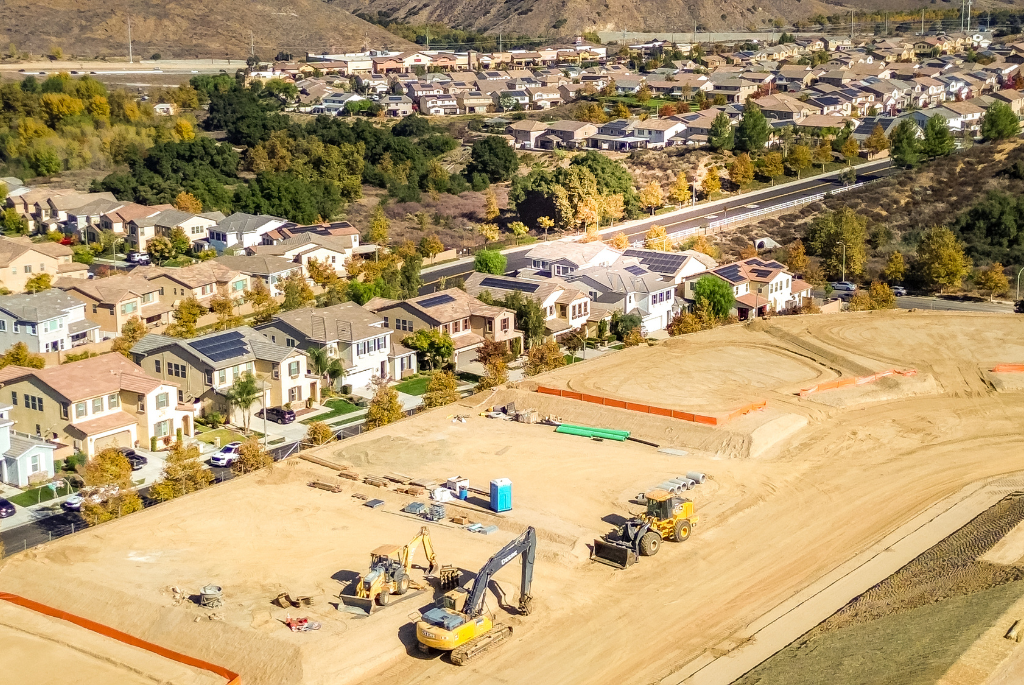
Efficiency and sustainability are more important than ever in the construction industry. As a builder, you face constant pressure to deliver high-quality projects on time and within budget while reducing waste and environmental impact. Every miscut board, delivery delay, and rework adds up to lost time and unnecessary expense. Fortunately, technology provides a smarter, more efficient way to operate. Whether you’re a single-family or multifamily project builder, smart construction tools help cut costs, eliminate waste, and improve accuracy across every project phase. By adopting digital and data-driven solutions, you can work smarter while protecting your bottom line and the planet.
The growing need for smarter construction practices
Construction waste has long been one of the industry’s biggest challenges. Building activities generate millions of tons of waste each year, much of which could be prevented through better planning and execution. Beyond the environmental concerns, this waste directly affects a builder’s profitability.
As a builder, you must balance sustainability with practicality. Digital tools help reduce material overuse, cut down on rework, and streamline processes that traditionally relied on manual labor and guesswork. Technology is a key factor in staying competitive and profitable.
Digital design and planning tools: Reducing errors before they happen
Many of the costliest mistakes occur long before a project breaks ground. That’s why digital design and planning tools like Building Information Modeling (BIM) and 3D modeling software are now standard in smart construction. These tools allow you to visualize projects in detail, identify conflicts early, and adjust designs before materials are ordered.
With virtual construction before your project breaks ground, you can pinpoint inefficiencies that would otherwise lead to waste on-site. For example, 3D modeling can help optimize framing layouts, minimizing lumber scraps and reducing ordering errors. Fewer design changes during construction mean smoother operations, fewer delays, and more accurate material use.
Smart measurement and layout technology improving accuracy on-site
Once a project is underway, accuracy becomes everything. Smart measurement tools like digital laser systems, robotic total stations, and GPS-guided layout equipment allow teams to set precise measurements and layout points with minimal human error.
A single misaligned wall or misplaced foundation can trigger a chain reaction of rework and waste. Smart measurement systems eliminate these issues by ensuring every component is placed exactly where it should be. For example, a GPS-guided layout tool can help crews align walls and foundations accurately the first time, saving materials and reducing the need for corrections.
Waste management and material tracking tools
Smart waste management tools can help you stay organized and efficient throughout the construction process. Digital material tracking systems let teams monitor deliveries, manage inventory, and control on-site usage in real time to prevent over-ordering and minimize the amount of unused material left at the end of a project.
Some builders are adopting IoT (Internet of Things) sensors to track materials and monitor resource use, such as water or energy consumption, directly from mobile devices. The data collected allows managers to make informed decisions about scheduling, purchasing, and storage. Over time, these insights help refine future projects.
Automation and robotics streamlining repetitive tasks
Builders increasingly use robots and automated systems for tasks such as bricklaying, concrete finishing, and even site inspections. Drones can capture aerial images and site data, allowing project managers to identify issues early and adjust before they become costly problems.
Automation enhances workers’ efficiency by taking on repetitive or precision-heavy tasks. Smart machines free up crews to focus on higher-value activities. Fewer mistakes mean less wasted material and fewer delays, leading to faster project completion and stronger profit margins.
Data analytics and smart project management platforms
Project management platforms now integrate every aspect of a build—from procurement and scheduling to quality control and reporting. These systems give you real-time visibility into progress, costs, and potential bottlenecks.
Data analytics can also reveal trends in material use and productivity, helping you make smarter decisions for future projects. For example, if certain materials consistently go unused, purchasing can be adjusted to match actual demand. Data allows you to eliminate guesswork, improve forecasting, and continuously refine your operations.
Overcoming challenges in adopting new technologies
While the benefits of smart construction tools are clear, adoption can still feel daunting. You may worry about costs, training, or the learning curve involved in using new systems. Taking small, strategic steps can make the transition smoother. Start by integrating one tool before expanding to others.
Work closely with suppliers, software providers, and team members to streamline implementation. Once the benefits become evident through improved efficiency and reduced waste, builders often find that the return on investment far outweighs the initial effort.
Smart technology as the wave of the construction industry’s future
Smart construction tools can help you cut costs, minimize waste, and deliver higher-quality projects with greater consistency. By embracing these tools, you can gain a clear competitive edge. Builders who invest in smarter tools today will be the ones shaping the most efficient, cost-effective projects of tomorrow.