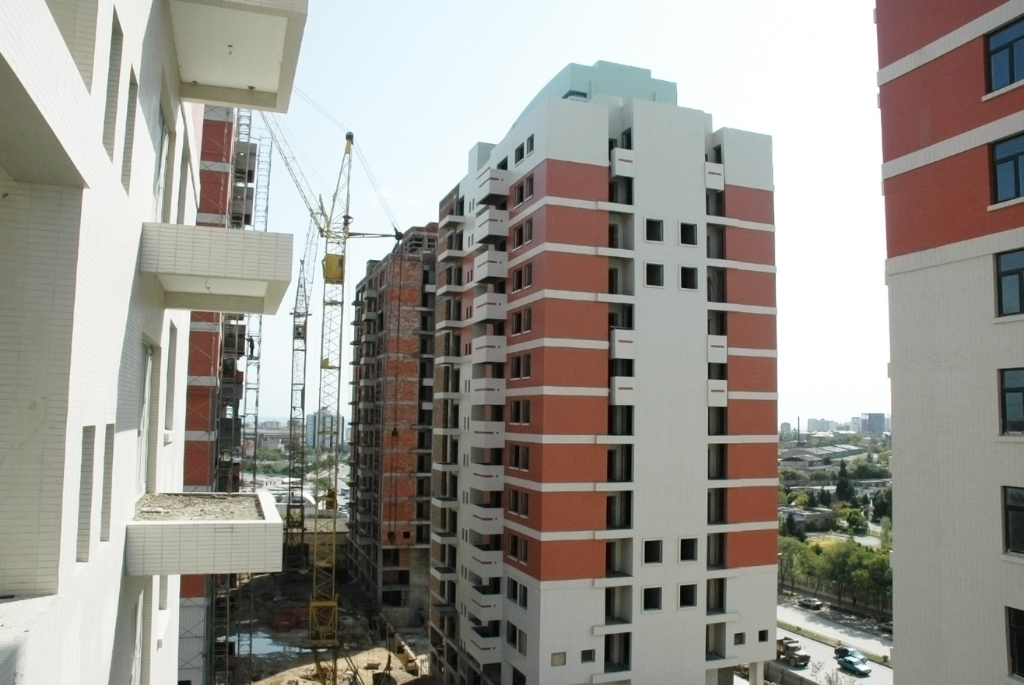
Solar power trends in residential construction
Solar power is no longer a niche feature in residential construction. It is becoming a central component of modern energy-efficient homes. Rising energy costs, environmental concerns, and evolving buyer preferences have pushed homebuilders to explore residential solar solutions as a standard offering in new home construction. Incentives such as tax credits, rebates, and government programs make it easier for homeowners to adopt solar energy, thereby increasing its appeal. As a builder, integrating solar power represents an opportunity for you to differentiate your homes, enhance long-term value, and align with growing sustainability expectations. This article explores why solar power is gaining traction in new home construction trends, its benefits, challenges, and strategies for successful integration.
Why solar power is becoming essential in residential construction
The adoption of solar power in homes is driven by multiple factors, including:
- Rising utility costs
- Homeowners seeking predictable, lower energy bills
- Long-term hedge against fluctuating electricity prices
- Demand for green building practices
- Homeowners prioritizing energy-efficient living
- Increased financial viability due to federal tax credits and state rebates
By pairing solar with energy-efficient homes, your company can create high-performance properties that appeal to environmentally and financially conscious buyers.
Key technologies and features in solar-powered homes
Successful solar integration requires thoughtful design and the right technology. Photovoltaic (PV) panels are the most common method for converting sunlight into electricity. At the same time, battery storage systems enable homeowners to store excess energy for use during periods of peak demand or power outages.
Smart energy management systems enhance efficiency by optimizing consumption based on real-time data. You can use passive solar design elements, such as strategic home orientation, insulation, and window placement, to further maximize energy savings for homebuyers. When your company incorporates these features from the ground up, you can ensure homes are optimized for residential solar solutions and create more appealing and cost-effective properties.
Benefits of incorporating solar in new home construction
Solar-powered homes offer significant advantages for both homeowners and builders. For homeowners, cost savings and long-term return on investment are the most immediate benefits. Reduced utility bills can make homes more affordable over time while an energy-efficient design increases comfort and indoor air quality.
For builders, solar integration enhances both the resale value and market appeal of their properties. Homes with renewable energy features stand out in a competitive market and can command higher prices. Additionally, promoting solar-powered homes aligns with sustainable home design principles, allowing your business to demonstrate its commitment to environmental responsibility while attracting eco-conscious buyers.
Challenges for builders and developers
Despite the benefits, solar integration presents several challenges you should be aware of. Up-front costs for panels, batteries, and smart systems can be substantial. Design and construction complexity increase when coordinating solar installation with traditional building processes.
You must also navigate local regulations, permitting requirements, and utility interconnections, which can vary widely by region. You must also educate buyers on the long-term value of solar systems as another essential step. If your company clearly communicates the financial benefits, the environmental impact, and the energy efficiency of solar, you can overcome initial buyer hesitations and improve adoption rates.
Strategies for builders to integrate solar effectively
To successfully incorporate solar energy, consider partnering with experienced solar technology providers and suppliers. This ensures your business has ongoing access to reliable equipment, installation expertise, and knowledgeable support.
Designing homes with solar-readiness, such as pre-wiring for panels or providing roof space orientation, reduces complexity and future installation costs. You may also consider offering financing solutions, incentives, or bundled energy packages to make solar adoption more accessible for prospective buyers. By integrating solar into sustainable home design practices without significantly increasing overall costs, your business can maximize appeal and profitability.
Market trends shaping the future of solar in new homes
The trend of adopting solar into new home construction continues to grow. Suburban and urban developments alike are incorporating solar panel systems as standard features. Net-zero and energy-efficient home initiatives are gaining traction, further driving demand for solar solutions.
Advances in solar technology, energy storage, and smart home integration are reducing costs and increasing efficiency, making solar a more practical option for a broader range of homes. As a result, when your company embraces these trends, it can position itself at the forefront of residential construction innovation in your community.
Power your construction business to success
Solar power is playing an increasingly important role in new home construction. By integrating residential solar solutions, your construction company can deliver energy-efficient homes that reduce costs, enhance comfort, and appeal to environmentally conscious buyers. Despite challenges such as up-front costs and regulatory hurdles, the long-term benefits for homeowners, builders, and communities are clear. As green building practices and renewable energy in residential construction continue to evolve, solar-powered homes will remain a central feature of modern, sustainable residential developments. When you adopt solar strategies today, you both meet current buyer expectations and help shape the future of housing in your community.