Urban or suburban: Which areas are seeing the fastest multifamily growth?
The demand for multifamily housing continues to rise across the United States, driven by population growth, changing lifestyles, and increased land prices. Builders and developers are keenly interested in understanding whether urban or suburban areas are experiencing faster growth in multifamily construction. This knowledge can help your company with project planning, site selection, and investment strategies. This article explores current trends in urban and suburban multifamily development, factors driving growth, and what these trends mean for your business in today’s housing market.
Overview of multifamily construction trends
Multifamily construction, including apartments and condominiums, has become a significant component of residential development. In recent years, demand for multifamily housing has surged as more people seek rental flexibility, proximity to amenities, and community-oriented living. National statistics indicate steady growth in both urban and suburban multifamily starts, with some regions experiencing double-digit increases year-over-year.
Developers are responding to these trends with innovative designs and mixed-use projects that combine residential, retail, and office spaces. Understanding these residential development growth patterns is essential for your business as it tries to capitalize on market demand while meeting the expectations of modern renters and buyers.
Growth in urban multifamily projects
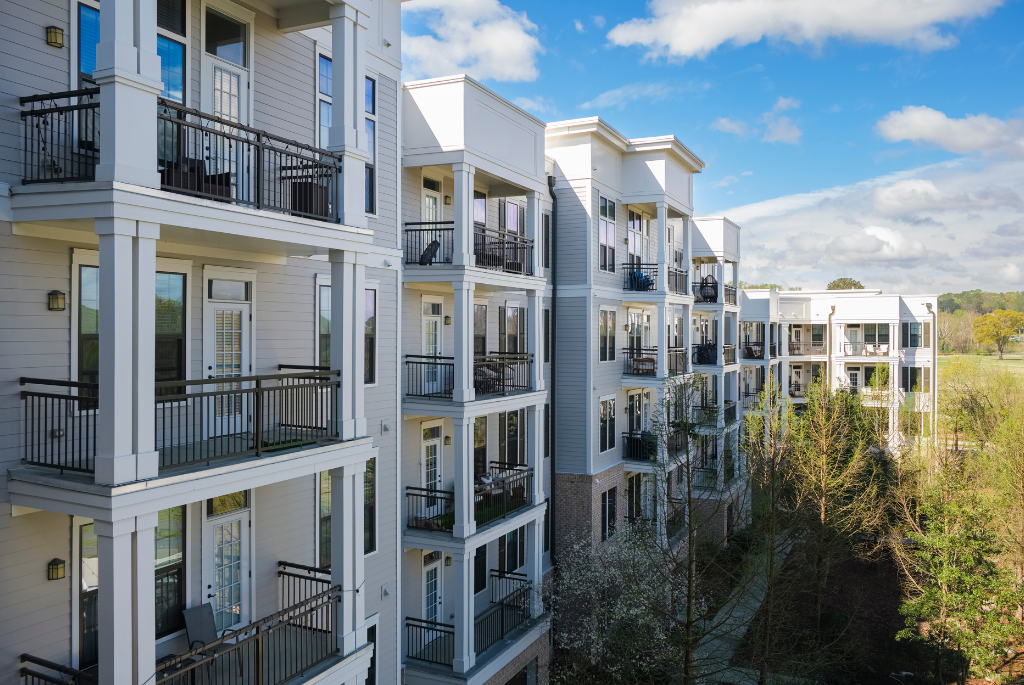
Urban areas remain hot spots for multifamily development due to high population density, access to jobs, high single-family home prices, and the availability of public transit. Cities like New York, Los Angeles, and Chicago continue to see strong demand for apartments, especially in neighborhoods near employment centers.
Urban projects offer several advantages to developers. Rental rates in cities tend to be higher, and occupancy levels are generally stable. Urban lifestyles appeal to young professionals and downsizing empty-nesters. However, challenges exist, including limited land availability, higher construction costs, and stricter zoning regulations. Despite these hurdles, urban multifamily projects continue to attract significant investment, particularly in markets with robust employment growth and robust cultural amenities.
Growth in suburban multifamily projects
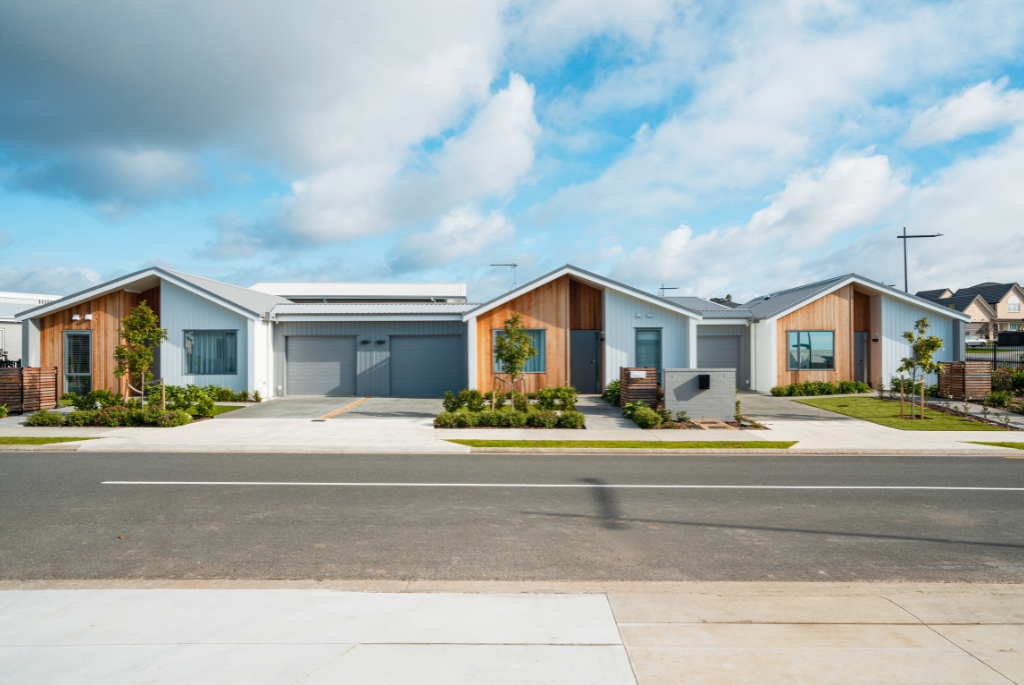
While urban areas remain important, suburban multifamily development is experiencing a notable surge in popularity. Factors driving this growth include affordability, larger living spaces, and family-friendly amenities such as parks and schools. Suburban areas near city centers, sometimes referred to as “suburban downtowns,” are attracting both young families and remote workers who seek more space without sacrificing proximity to urban employment hubs.
With suburban multifamily projects, your business can benefit from larger plots of land, lower construction costs, and fewer regulatory restrictions compared with urban sites. Suburban projects can incorporate community-oriented amenities, such as clubhouses, pools, and fitness centers, to increase their appeal to renters and buyers. However, challenges include providing adequate infrastructure and transportation as well as ensuring that projects integrate well with existing neighborhoods.
Comparing urban vs. suburban development
Urban and suburban multifamily projects differ in several key ways. Construction costs and timelines in urban areas are often higher due to land scarcity and complex site logistics. Suburban projects may be larger in scale and offer more flexibility in design.
Target demographics also vary. Urban developments often cater to professionals, young singles, and empty-nesters while suburban projects attract families and remote workers. Rental rates, occupancy trends, and long-term investment potential differ accordingly, making it crucial for you to assess local housing market trends and multifamily construction trends before committing to projects.
Implications for builders and developers
Understanding where multifamily projects are growing fastest helps your company to make informed decisions. Urban projects may offer higher rents but require strategic navigation of land and regulatory constraints. Suburban projects provide opportunities for larger communities and amenities that appeal to families and long-term renters.
Your business can align its offerings with residential construction trends by designing projects that cater to the specific needs of each demographic. Incorporating modern amenities, energy-efficient features, and smart home innovations can further differentiate developments and enhance their marketability in both urban and suburban settings.
Future outlook for multifamily construction
Looking ahead, multifamily construction is expected to continue its growth in both urban and suburban areas. Emerging trends include mixed-use developments, sustainable building practices, and the integration of smart technology to attract tech-savvy buyers and renters.
Population migration, changing work patterns, land prices, and lifestyle preferences will continue to shape the concentration of multifamily projects. Builders and developers who understand these dynamics and plan accordingly will be best positioned to capitalize on the ongoing demand for apartment and condominium living in both urban and suburban markets.
Final thoughts on urban vs. suburban multifamily projects
Multifamily development continues to grow in both urban and suburban environments. Urban and suburban areas each offer distinct opportunities and challenges to developers. Urban projects benefit from high demand, density, and lifestyle appeal while suburban developments attract families and remote workers seeking space and affordability. As a builder, you must understand these trends to engage in strategic planning and make good marketing and design decisions. By staying attuned to multifamily construction trends, housing market trends, and shifting demographics, you can successfully navigate the competitive landscape and deliver projects that meet the needs of today’s renters and buyers regardless of their location.