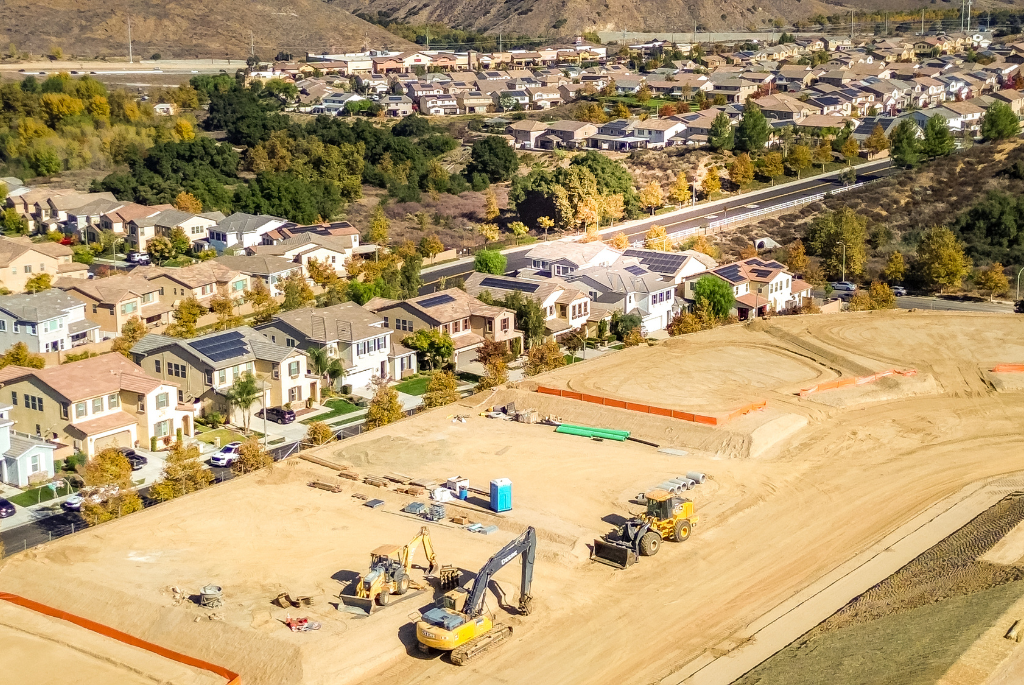
Successful residential construction depends on more than quality materials and skilled labor. Behind every completed home is a carefully managed network of power, water, gas and communication systems. Utility coordination in home construction plays a central role in keeping projects on schedule, protecting budgets and ensuring long-term reliability. When coordination falls short, builders often face delays, inspection failures and frustrated buyers. When we learn where problems arise and how to manage them, we can create smoother timelines and stronger outcomes for every development.
Why utility coordination matters in single-family construction
In single-family home construction, utilities form the foundation of livable, code-compliant homes. Without timely access to water, electricity, sewer and broadband, even well-built structures cannot move forward.
Many builders underestimate how early utility planning must begin. Utility providers often work on long lead times and rigid schedules. Permits, easements and inspections can take weeks or months to complete. When these steps are delayed, framing, drywall and finishing work may stall.
Common utility coordination issues include missed installation windows, incomplete documentation and misaligned schedules between trades. These problems increase labor costs, strain client relationships and create contract disputes. Treating utilities as a core project component protects both reputation and profitability.
Understanding the utility coordination process
A clear understanding of the utility coordination process helps builders avoid confusion and last-minute corrections. While requirements vary by location, most projects follow a similar structure.
The process begins with site evaluation and availability verification. Builders must confirm that existing infrastructure can support the development. This includes reviewing capacity, connection points and upgrade needs.
Next comes permitting and approvals. Agencies and providers require detailed plans showing routes, easements and safety measures. Accurate submissions reduce the risk of revisions.
Scheduling follows permit approval. Installations must align with grading, foundations and road access. Final inspections and testing confirm compliance before service activation.
Throughout each phase, builders, engineers, inspectors and utility representatives must share timely information. When communication breaks down, delays become unavoidable.
Common utility coordination challenges in new home developments
Utility coordination challenges affect projects of all sizes. Delayed responses from providers remain one of the most common issues, especially in high-growth areas where demand exceeds capacity.
Permitting complications also create setbacks. Zoning conflicts, environmental reviews and incomplete applications often require revisions. Each correction extends the timelines.
Inaccurate site plans present additional risks. If underground lines conflict with foundations or drainage systems, redesigns become necessary. Poor coordination between surveyors and planners increases these problems.
Trade conflicts further complicate schedules. When electricians, plumbers and excavation crews are misaligned, work may need to be repeated. Weather conditions can also limit site access, increasing delays.
These factors represent the most common utility coordination issues in single-family construction and remain the leading causes of cost overruns.
How to coordinate utilities in new home developments effectively
Learning how to coordinate utilities in new home developments starts with early planning. Utility strategy should begin during site selection and conceptual design, not after construction starts.
We recommend initiating coordination meetings as soon as development plans are drafted. Early discussions clarify capacity, costs and timelines, reducing uncertainty.
Clear documentation supports accuracy. Detailed site maps, elevation data and access routes help providers complete installations correctly. Digital records improve collaboration between design and construction teams.
Realistic scheduling protects productivity. Utility work rarely follows ideal timelines, so buffer periods reduce the impact of minor setbacks.
Consistent communication keeps stakeholders aligned. Regular updates and a designated coordination lead can strengthen accountability and speed issue resolution.
Builders who document lessons learned from past projects often improve future coordination efforts. Reviewing completed developments helps teams refine timelines, strengthen partnerships and prevent repeated mistakes.
Leveraging technology and partnerships for better coordination
Modern construction tools improve utility planning and tracking. Project management platforms centralize schedules, documents and communications, reducing errors and miscommunication.
Digital site models allow teams to visualize underground and surface systems together. This helps identify conflicts early and improves safety. Tracking software provides real-time updates on permits, inspections and milestones. With better visibility, builders can respond quickly to changing conditions.
Strong partnerships remain equally important. Long-term relationships with providers, inspectors and engineering firms encourage collaboration and faster problem-solving when challenges arise.
Preventing delays and cost overruns through proactive planning
Proactive planning remains the most effective defense against utility-related disruptions. Early assessments reveal infrastructure limitations and regulatory requirements before costs escalate.
Builders should develop contingency plans for critical systems. Backup schedules, alternative routing options and reserve funding can help prevent unexpected delays. Routine progress reviews reinforce accountability. Regular coordination meetings verify milestones and address minor issues before they become major obstacles.
Compliance monitoring also plays a key role. Staying current with codes and safety standards prevents rework and inspection failures. Ongoing training ensures crews understand installation requirements.
Building stronger communities through smarter utility coordination
Reliable infrastructure supports more than individual homes. It strengthens neighborhoods and enhances long-term property value. By mastering utility coordination in home construction, we create safer, more efficient developments.
When we invest in planning, communication and partnerships, we reduce risk and improve performance. You benefit from predictable schedules, controlled costs and satisfied buyers. Together, these practices help us deliver high-quality communities built on dependable systems and lasting trust.