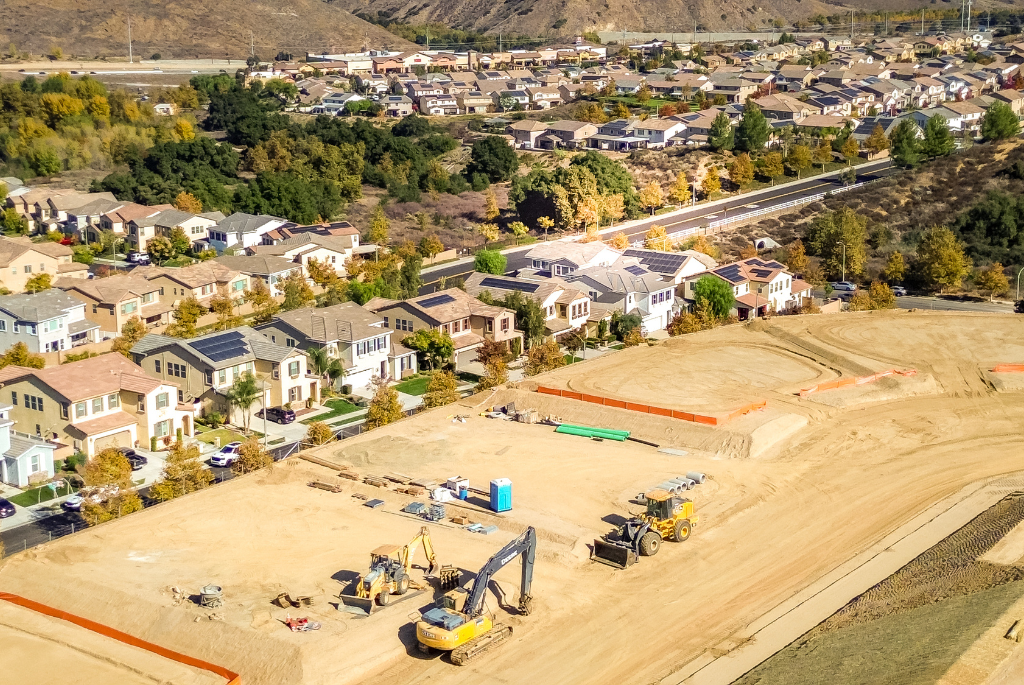
Lot Grading Strategies That Reduce Long-Term Drainage Risk
Lot grading strategies for drainage prevention help builders improve long-term site performance by managing runoff, accounting for settlement, and reducing

Lot grading strategies for drainage prevention help builders improve long-term site performance by managing runoff, accounting for settlement, and reducing
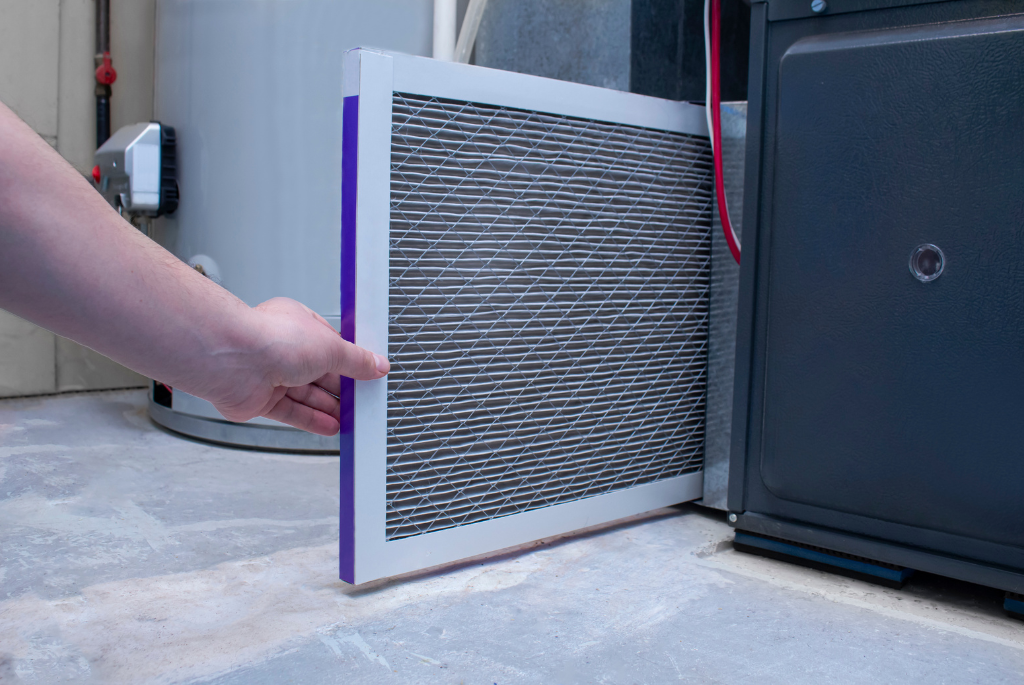
Indoor air quality in new homes depends on ventilation, HVAC filtration, airtight construction, and balancing energy efficiency with long-term building
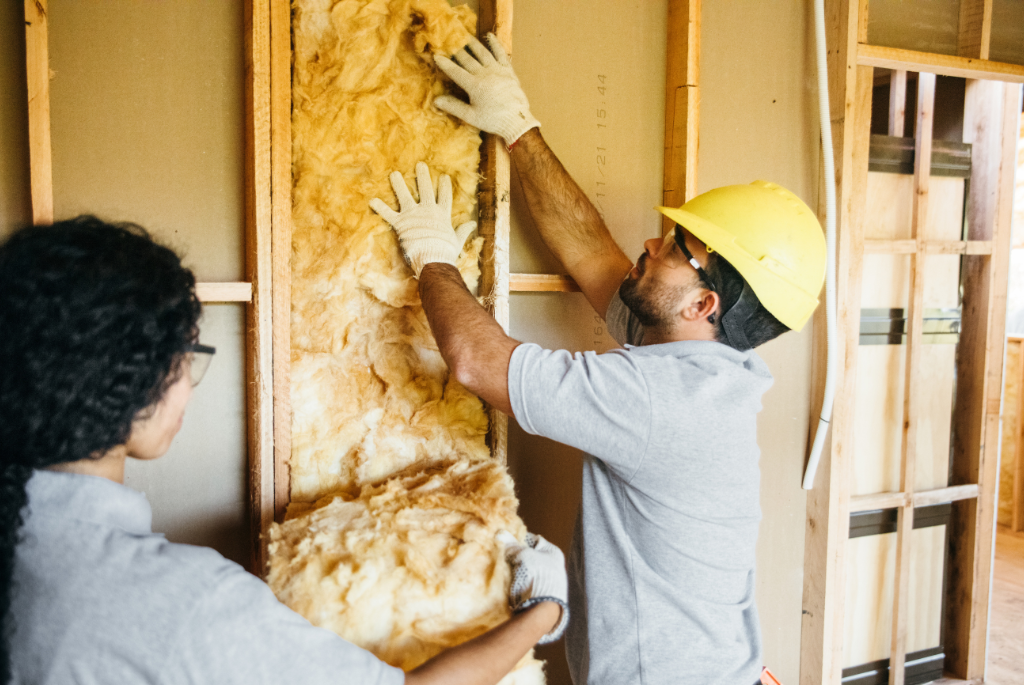
Energy-efficient homes without net-zero construction help builders reduce costs, improve scalability, and deliver lower utility bills through practical efficiency upgrades.
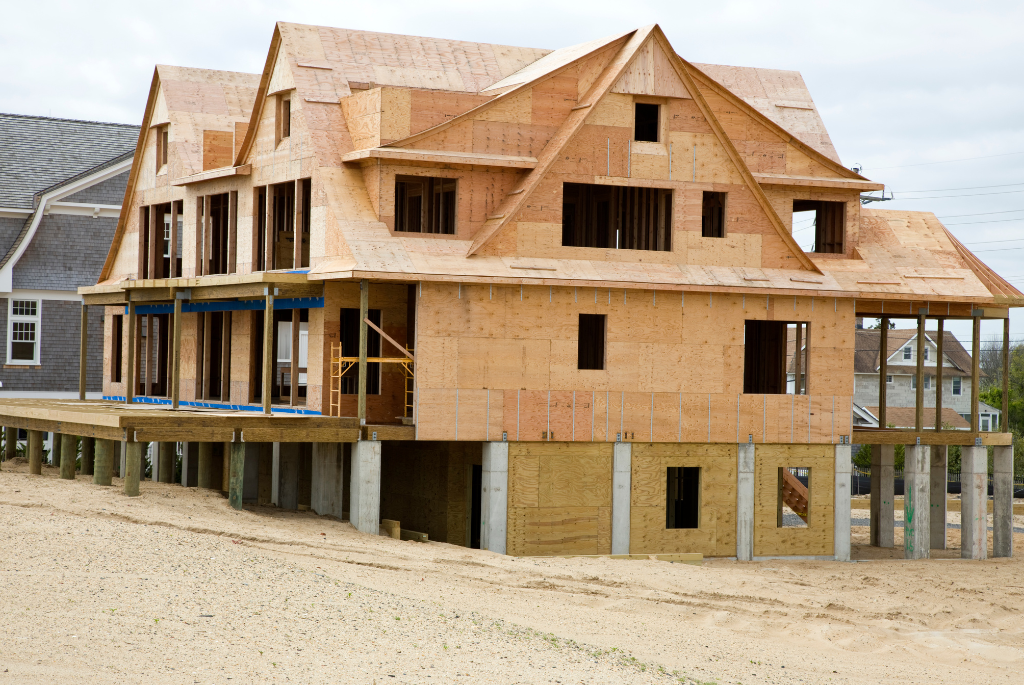
Extreme weather construction strategies for home builders include resilient design, durable materials, reinforced structural systems, and proactive planning for climate-related

Thermal zoning in apartment buildings improves energy efficiency by matching heating and cooling to real demand, reducing operating costs, and
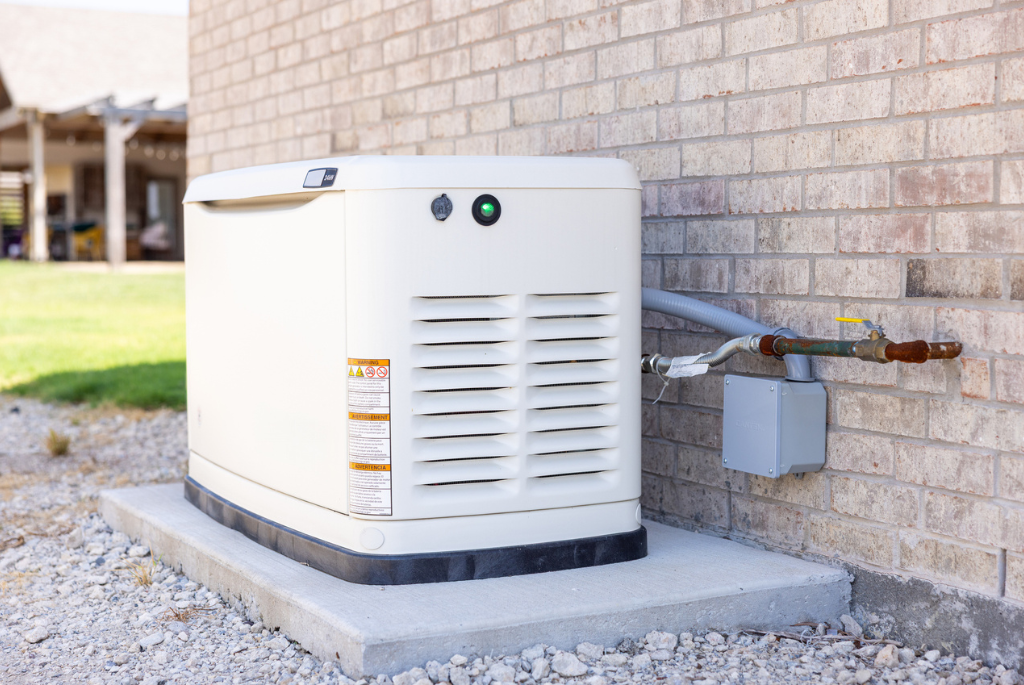
Whole-home backup power for single-family homes is becoming a standard planning consideration, helping builders improve resilience, buyer confidence, and long-term
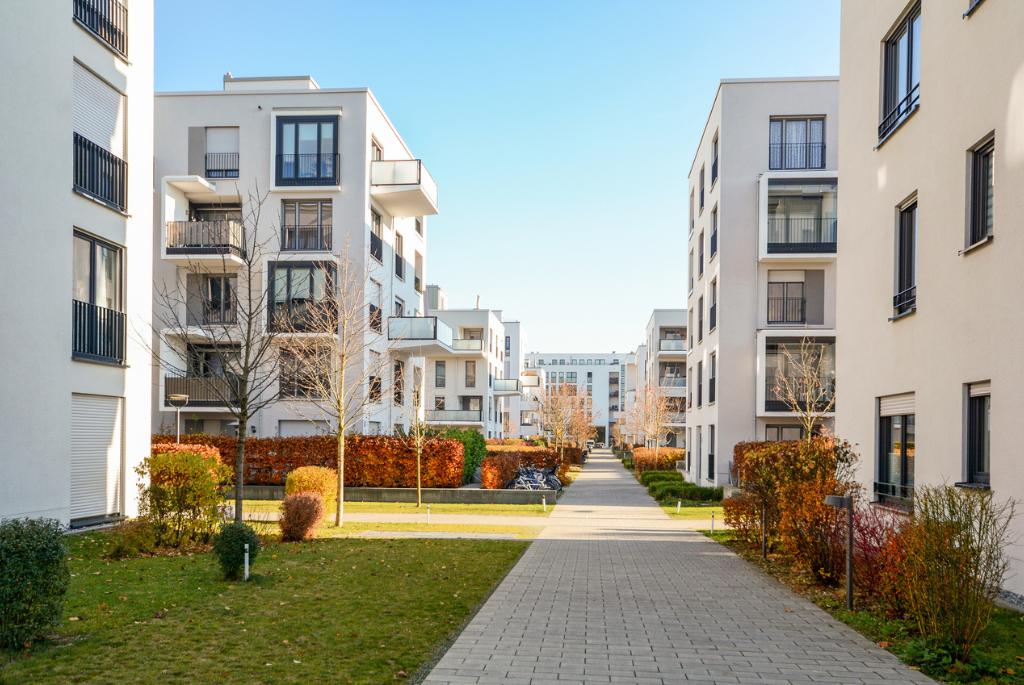
Resilient landscaping helps multifamily developments reduce urban heat islands by lowering surface temperatures, improving site performance, and enhancing resident comfort
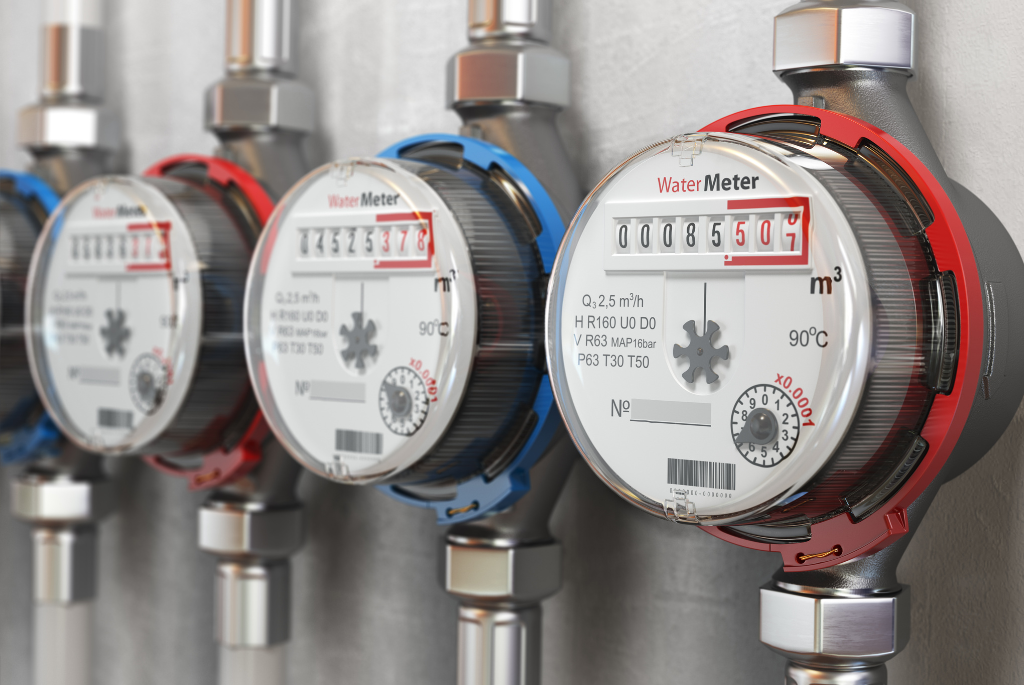
Water management strategies for high-density housing help builders reduce water waste, control operating costs, meet regulations, and improve long-term building