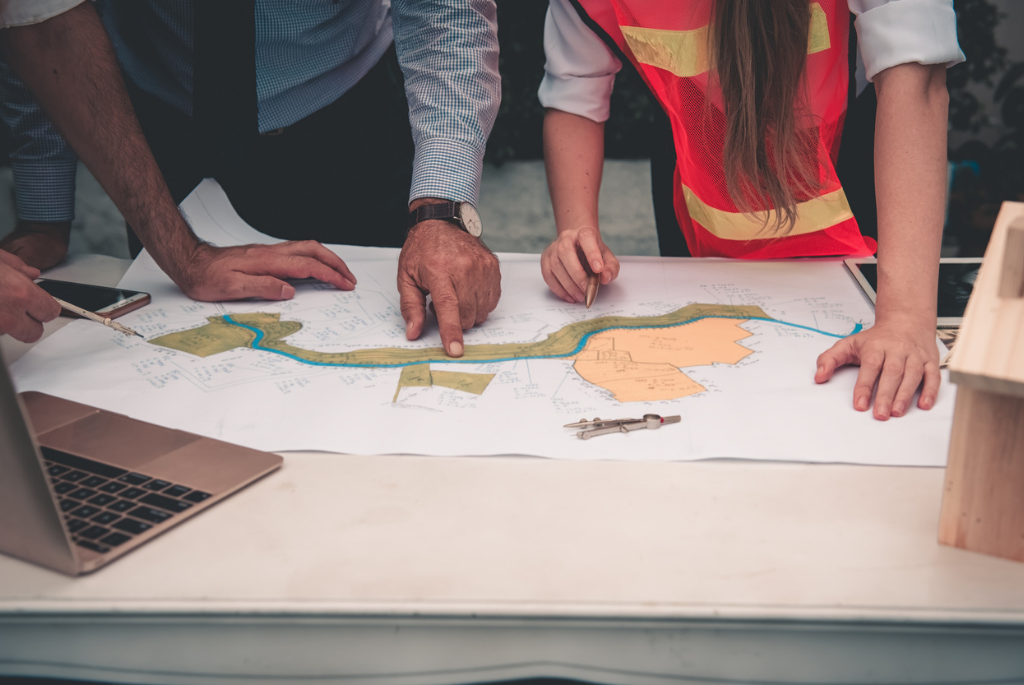

Cities are evolving faster than ever, and the demand for smarter, more efficient living solutions continues to grow. As populations rise and land becomes increasingly scarce, urban planners, developers, and builders are seeking housing models that support both growth and quality of life. Multifamily housing has emerged as a cornerstone of that mission, offering practical, scalable solutions to meet housing needs while fueling urban community development.
Beyond providing more units on less land, these developments shape how people live, connect and thrive in urban environments. They are key to building stronger communities and laying the foundation for cities that are more inclusive, resilient, and economically vibrant.
Understanding multifamily housing in urban contexts
Multifamily housing refers to residential buildings with multiple separate units, such as apartment complexes, condominiums, or townhome communities. Unlike single-family homes, which occupy more land and often require extensive infrastructure, multifamily developments maximize space and resources. This is an essential strategy in growing cities where every square foot counts.
The role of multifamily housing in cities has evolved significantly over the past several decades. Once viewed primarily as a way to accommodate dense populations, it now serves a broader purpose: Shaping the character and functionality of entire neighborhoods. By integrating residential, retail, and communal spaces into a single development, multifamily projects create vibrant, self-sustaining hubs that reflect how people want to live in modern cities.
As urban areas continue to expand, multifamily housing offers flexibility and scalability that traditional housing cannot match. It allows cities to grow upward rather than outward, preserving green space and existing infrastructure while still meeting demand.
Strengthening social fabric: How multifamily homes build community
The value of multifamily development extends far beyond its physical structure. One of the most powerful aspects of these projects is how multifamily homes strengthen communities. Shared amenities, gathering spaces, and walkable layouts bring residents together and encourage social interaction. Whether it’s a rooftop garden, community fitness center, or shared courtyard, these features transform housing into hubs of activity and connection.
Multifamily environments also promote inclusivity and diversity. They offer a range of unit sizes and price points, accommodating people from various backgrounds, income levels and stages of life. This diversity contributes to richer, more resilient neighborhoods where residents feel a stronger sense of belonging.
What’s more, the built-in social opportunities of multifamily living can combat one of the most significant challenges of modern urban life: isolation. By encouraging engagement and interaction, these developments help people form meaningful relationships and participate actively in their communities. The result is a social fabric that’s stronger, more connected and more supportive.
Economic benefits and urban revitalization
Multifamily homes also play a vital economic role in urban community development. These projects often act as catalysts for growth, creating jobs during construction and sustaining employment through ongoing maintenance and operations. They generate tax revenue that cities can reinvest into infrastructure, public services and local amenities.
Beyond their direct financial impacts, multifamily projects attract businesses and services to the areas around them. A growing population increases demand for shops, restaurants, healthcare and entertainment, fueling a cycle of local investment and development. This ripple effect often transforms underused or declining areas into thriving, mixed-use neighborhoods.
Well-designed multifamily developments have revitalized countless urban districts across the country. They breathe new life into communities by bringing people, commerce and culture together, illustrating just how essential housing is to a city’s economic and social success.
Adapting to changing lifestyles and housing needs
Multifamily housing also offers the flexibility to adapt to shifting lifestyle trends and demographic changes.
As remote work, multigenerational living and smaller household sizes become more common, these developments can evolve to meet new expectations for space, amenities and functionality.
Builders can design units that accommodate home offices, shared workspaces or accessible features for aging residents, all within the same property. This adaptability keeps communities relevant and desirable and ensures that multifamily homes continue to play a vital role in meeting the diverse needs of modern urban life.
Sustainable growth and future-proofing cities
Sustainability is another compelling advantage of multifamily complexes. These developments house more people on less land, reducing sprawl and preserving open space. They often require less energy per unit, have lower carbon footprints and make more efficient use of utilities and infrastructure than dispersed single-family homes.
These sustainability benefits directly support the broader goal of building stronger communities. Compact, well-designed neighborhoods are more walkable and less car-dependent, reducing traffic congestion and air pollution. They also make it easier for cities to efficiently provide essential services from public transit to emergency response.
Looking ahead, sustainability will continue to shape how we design and build multifamily homes. Developers and city planners are increasingly integrating green building materials, energy-efficient systems and smart technologies into new projects. These strategies can help cities adapt to future environmental and demographic challenges.
Looking ahead: Collaboration is key to urban resilience
As cities plan for the decades ahead, multifamily homes will remain central to their success. It’s a powerful tool for solving housing shortages, driving economic growth and creating more connected and inclusive neighborhoods. Continuing to innovate in design and planning ensures that these developments can meet evolving needs and reflect ways that people want to live.
Of course, lasting impact requires collaboration. Builders, city leaders and community members must work together to guide these projects as they take shape. By doing so, we can unlock the full potential of multifamily housing, shaping vibrant, resilient cities where people and communities thrive for generations to come.