Increased demand for net-zero homes has changed how companies in the residential construction industry operate. These innovative homes are designed to produce as much energy as they consume, offering a sustainable, cost-effective, and forward-thinking alternative to traditional housing. Interest in net-zero homes has grown steadily as homeowners seek ways to reduce energy bills, minimize their environmental footprint, and enjoy modern, high-performance living spaces.
As a builder or developer, understanding this trend is critical for your business to stay competitive and meet the expectations of eco-conscious buyers. We’ll explore why net-zero homes are gaining popularity, their benefits, the role of builders, and what the future holds for sustainable residential construction.
What makes a home net-zero?
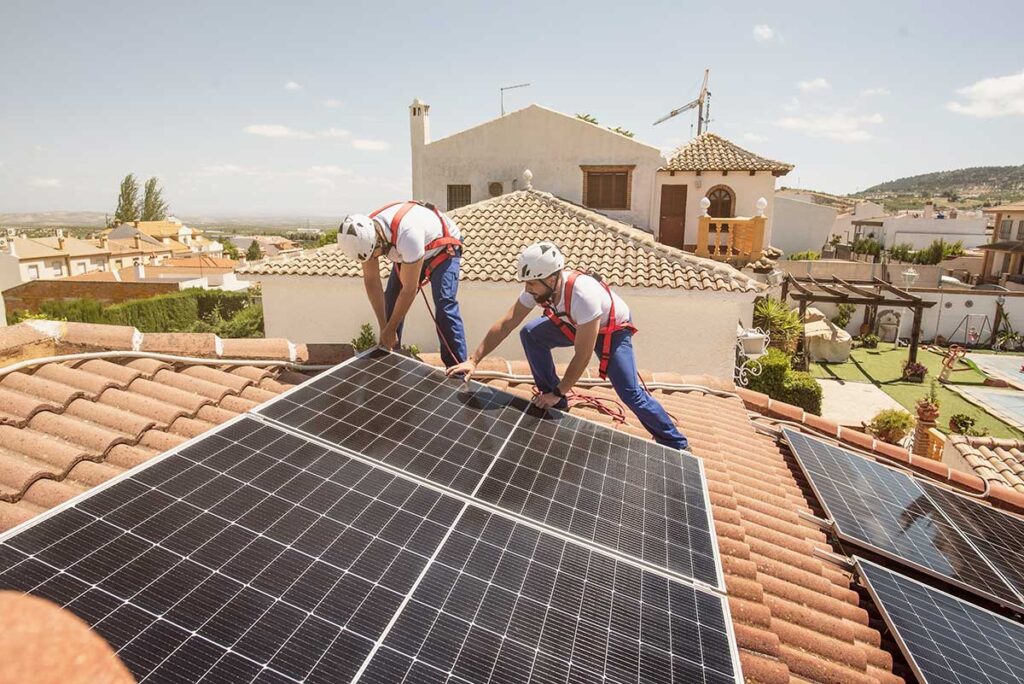
A net-zero home is built with a focus on energy efficiency and renewable energy integration. Key features include advanced insulation, energy-efficient windows, smart HVAC systems, and appliances designed to reduce electricity consumption. Many net-zero homes incorporate renewable energy, typically through solar panels or small wind turbines, to offset remaining energy needs.
For these homes, design is key. Orientation, window placement, passive heating and cooling, and strategic shading all contribute to minimizing energy use. Some homes are built as net-zero ready, including the infrastructure to reach net-zero performance in the future. Others are fully net-zero, achieving energy balance from the start.
Why homeowners are interested in net-zero homes
Homeowners are increasingly drawn to net-zero homes for both financial and environmental reasons. Energy-efficient homes reduce monthly utility bills and create significant long-term savings. Many regions offer incentives, rebates, or tax credits that make net-zero construction more affordable, further enhancing its appeal.
Environmental awareness is another major factor. Buyers are motivated to lower their carbon footprint and live more sustainably. Net-zero homes align with these values while providing modern features such as smart home systems, enhanced comfort, and high-quality indoor air. The combination of cost savings, environmental responsibility, and advanced design makes these homes highly desirable to today’s homebuyers.
Builders’ role in the net-zero trend
Builders play a critical role in meeting growing demand for net-zero homes. To deliver these high-performance homes, you must invest in specialized training, advanced materials, and renewable energy systems. Successful builders find ways to integrate eco-friendly home design without significantly increasing costs or sacrificing style.
Several builders have already launched net-zero communities, demonstrating that sustainable construction can be both profitable and marketable. By embracing this trend, you can differentiate your company in a competitive market and position yourself as a leader in residential construction innovations.
Benefits of net-zero homes for homeowners and communities
Net-zero homes offer tangible benefits for homeowners, including:
- Lower energy costs
- Predictable utility bills
- Improved indoor comfort
- Better indoor air quality
- Increased overall performance
Communities also benefit. By reducing energy demand, net-zero homes contribute to broader sustainability goals, lowering environmental impact and supporting local infrastructure. From a real estate perspective, these homes often retain higher resale value, making them an attractive investment for buyers. When you emphasize these advantages, you can market net-zero homes as both cost-effective and forward-looking.
Challenges and considerations for builders
While net-zero homes are growing in popularity, you should be aware of several challenges. Up-front construction costs can be higher than those for traditional homes, especially when integrating solar systems or advanced materials. Design complexity and system integration require careful planning and specialized expertise.
Educating buyers about long-term benefits is also critical. Many homeowners may not initially understand how energy savings and incentives offset higher initial costs. You must strike a balance between affordability, sustainability, and livability to successfully deliver net-zero projects.
Trends driving adoption of net-zero homes
Technological advances make net-zero homes more accessible. Innovations in solar technology, energy storage, and smart home systems improve efficiency and reduce costs. Government incentives, energy codes, and green certifications further encourage adoption.
At the same time, buyer preferences continue to shift toward energy-efficient homes and environmentally responsible living. When your company anticipates and responds to these trends, it will be better positioned to capture market share and remain competitive.
The future of net-zero homes in residential construction
The market for net-zero homes is expected to grow as energy efficiency and sustainability become mainstream priorities. You can leverage this trend by offering homes that integrate smart technology, renewable energy, and modern design.
By embracing net-zero practices, your company contributes to broader community and environmental goals while differentiating itself in the market. As green building trends and residential construction innovations continue to evolve, net-zero homes will increasingly shape the future of housing.
Opportunities to innovate and lead
Net-zero homes are rapidly gaining popularity with homeowners seeking lower energy costs, sustainability, and modern comfort. As a builder or developer, these homes offer opportunities for your company to innovate, meet buyer demand, and lead in eco-friendly home design.
Despite challenges such as higher up-front costs and design complexity, the long-term benefits for both homeowners and communities are clear. As the residential construction industry continues to embrace sustainable residential construction and green building trends, net-zero homes are poised to become a central feature of the modern housing market.